A driveway that holds its shape. A walkway that stays level instead of heaving after a wet winter. A patio that sheds water instead of turning into a puddle in the middle. Those are the results Richmond homeowners are after when they plan outdoor construction, and they depend far less on the finish material than on what happens below the surface.
Altizer Lawn & Landscape is a family owned, licensed and insured landscaping company serving homeowners across the Richmond metro area. The work covers lawn care and maintenance, hardscaping, drainage solutions, and outdoor construction that includes gravel driveway installation, walkways, patios, retaining walls, and excavation and grading. Estimates are free.
What Counts as Outdoor Construction?
People use the term loosely, but in practice outdoor construction covers any built element on your property that changes how you use the ground, how water moves across it, or how you get from one place to another. The common categories break down like this:
- Driveways and parking areas, including gravel driveways, base preparation, and excavation and grading
- Walkways and paths connecting a driveway to a front door, patio, or outbuilding
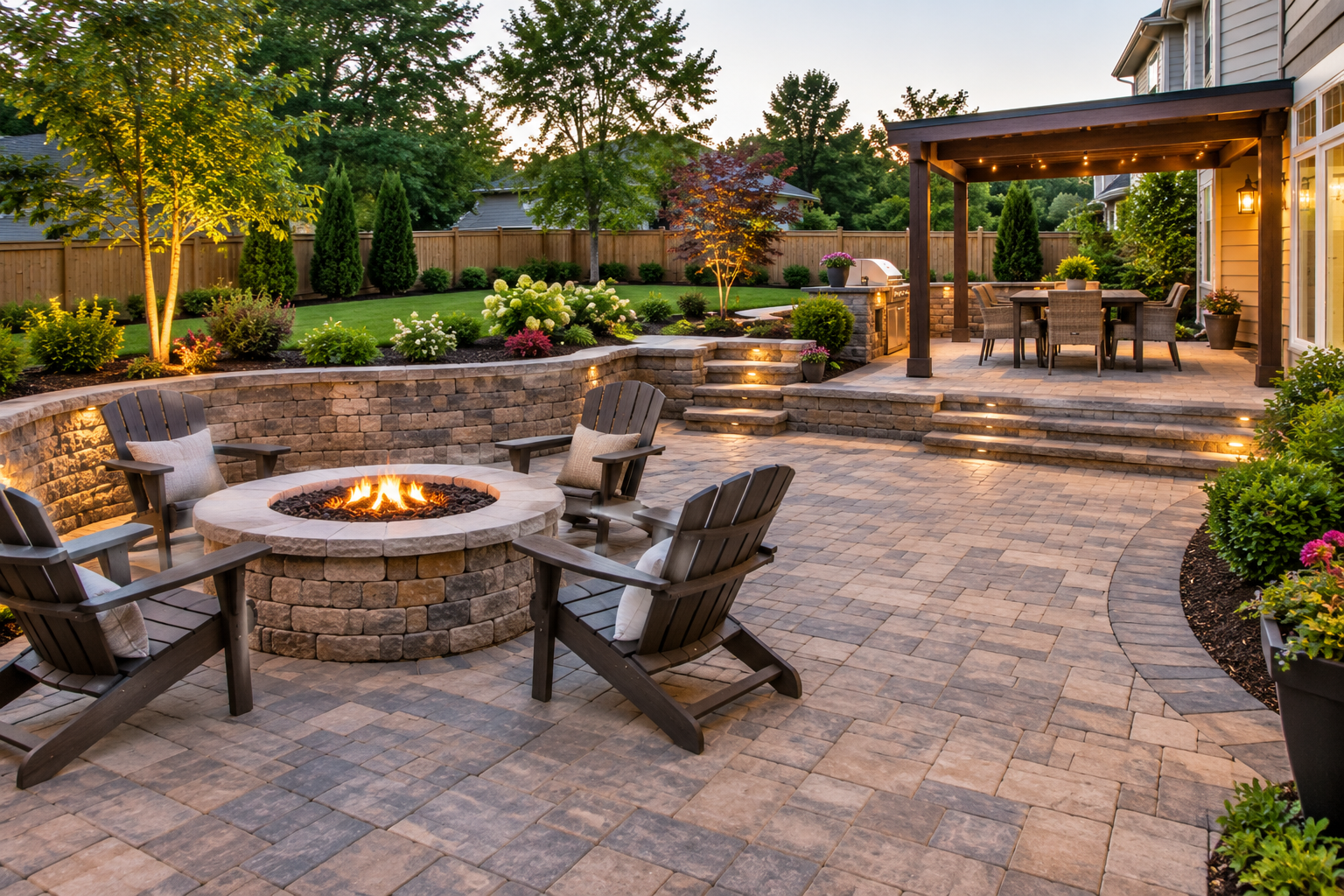
- Patios, which in the Richmond market are often built from brick, stone, or paver products and paired with a pergola, outdoor kitchen, or fire pit feature
- Retaining walls and other hardscape structures that hold back soil and create usable levels on a sloped yard
- Drainage work such as French drains, grading, and erosion control
Most projects combine several of these. A new walkway usually needs grading and drainage handled at the same time. A gravel driveway often needs the surrounding grade corrected so water runs away from the house rather than toward it. Treating the pieces as one plan is what keeps them working years later.
Gravel Driveways and the Base Work That Makes Them Last
A gravel driveway is one of the most practical improvements on a rural or semi rural property, and one of the easiest to get wrong. The visible layer of stone is only the top of the system. Underneath it, the ground has to be excavated to a consistent depth, shaped so it sheds water, and compacted so the finished surface does not rut under vehicle weight.
What a driveway project usually includes
- Site review and layout, including where vehicles enter, turn, and park
- Excavation to remove organic material and establish a firm subgrade
- Grading to create a consistent crown or slope that directs water away from structures
- Placement and compaction of base material
- Spreading and leveling of the surface stone to the depth you agreed on
Grade matters because water is the main enemy of any driveway. A surface that is flat or pitched the wrong way lets rain collect in low spots, the base softens, and ruts appear. Correcting grade during installation costs far less than repairing it afterward.
Questions to ask before work begins
Ask how deep the base will be, what material will be used, and how water will leave the driveway once it is built. Ask about the transition where the driveway meets a public road or a garage apron, since that edge takes the most stress from turning tires. Any contractor should be able to answer those questions plainly before the first load of stone arrives.
Walkways, Paths, and Front Entry Upgrades
Walkways do more than connect two points. They set the approach to a home, and they take daily foot traffic, which means they need a stable base and a surface that handles wet winters and freeze and thaw cycles without heaving.
- Concrete walkways: durable and straightforward, with a range of finish options
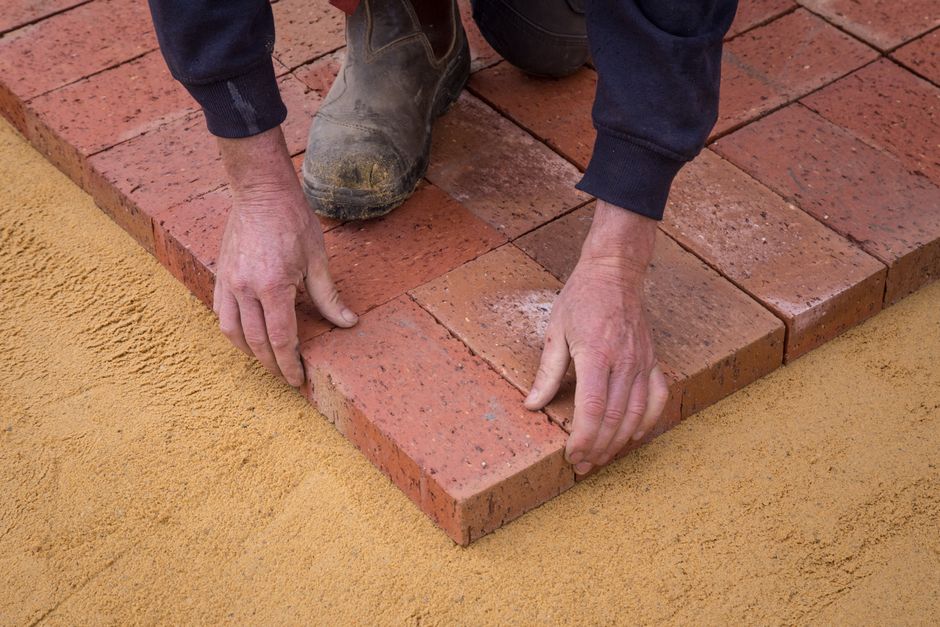
- Paver and brick walkways: modular units that can be repaired in sections if one area shifts
- Natural stone walkways: irregular shapes with a more traditional look
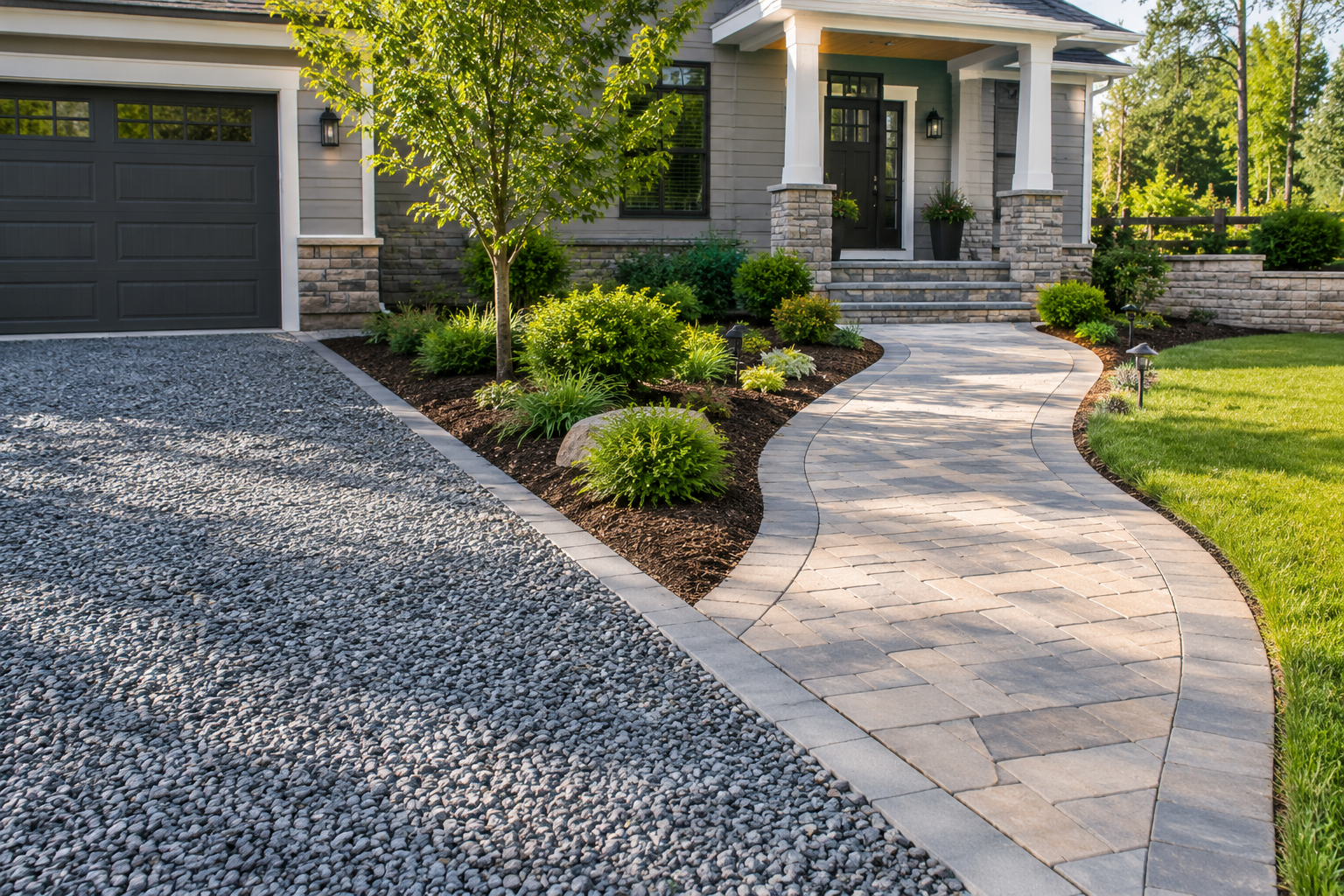
- Gravel and crushed stone paths: often used for garden and side paths where a firm but informal surface fits the space
Whatever material you choose, the base and the edging decide how the walkway performs. Edging restrains the surface and keeps it from spreading into the lawn. Base depth and compaction control whether the walkway stays level or starts to dip at the corners.
Patios, Walls, and the Rest of the Hardscape
The Richmond market for outdoor living has grown well beyond a simple slab. Local builders advertise patios, decks, porches, sunrooms, pergolas, outdoor lighting, pools, and outdoor kitchens, and many homeowners now treat the yard as an extension of the house that gets used across more of the year.
Not every property needs all of that. Start with an honest look at how you actually use the space. A household that grills most weekends may get more value from a well built patio with a defined cooking area than from a larger, more elaborate build. A sloped backyard may need a retaining wall before a patio is even possible, because the wall is what creates the flat ground the patio sits on.
Retaining walls
Retaining walls hold back soil and create usable ground on a slope. They also carry pressure from the soil and water behind them, which is why drainage behind the wall and proper base preparation are not optional details. A wall built without them can lean or fail within a few seasons.
Fire pits and gathering areas
Fire pits and similar features are common additions to patios and are usually built as part of a larger hardscape plan so the base, the seating area, and the surrounding grade all work together instead of fighting each other.
Drainage: The Part Homeowners Notice Last
Drainage is the least visible part of outdoor construction and the one that causes the most trouble when it is skipped. Water that has nowhere to go will find a path, and that path is often toward a foundation, across a driveway, or down a slope where it strips away topsoil.
Altizer Lawn & Landscape handles French drains, grading, and erosion control as part of outdoor construction work. When a driveway, walkway, or patio is going in, it makes sense to address drainage in the same project rather than as a separate repair later. Regrading after the fact means disturbing brand new surfaces.
Some signs that drainage deserves attention before you build anything:
- Standing water in the yard after rain
- Gravel or mulch washing out of beds
- Water reaching a garage or crawlspace
- Bare, eroded patches on slopes
- Soft, rutted areas in an existing driveway
Matching the Project to the Property
Each type of outdoor construction solves a different problem, and the prep work behind it is what determines how long it lasts. This table gives a quick view of what each project involves.
| Project type | What the work involves | Worth planning for |
|---|---|---|
| Gravel driveway | Excavation, grading, base compaction, surface stone | A crown or slope that moves water off the surface |
| Walkway | Base preparation, edging, surface material | Connections to the driveway, steps, and door thresholds |
| Patio | Excavation, base, surface material, edging | Drainage away from the house and room for seating and cooking |
| Retaining wall | Excavation, base, drainage behind the wall, backfill | Wall height and the weight of soil behind it |
| Drainage | Grading, French drains, erosion control | Where water travels once it leaves the immediate area |
Working With a Local, Licensed Contractor
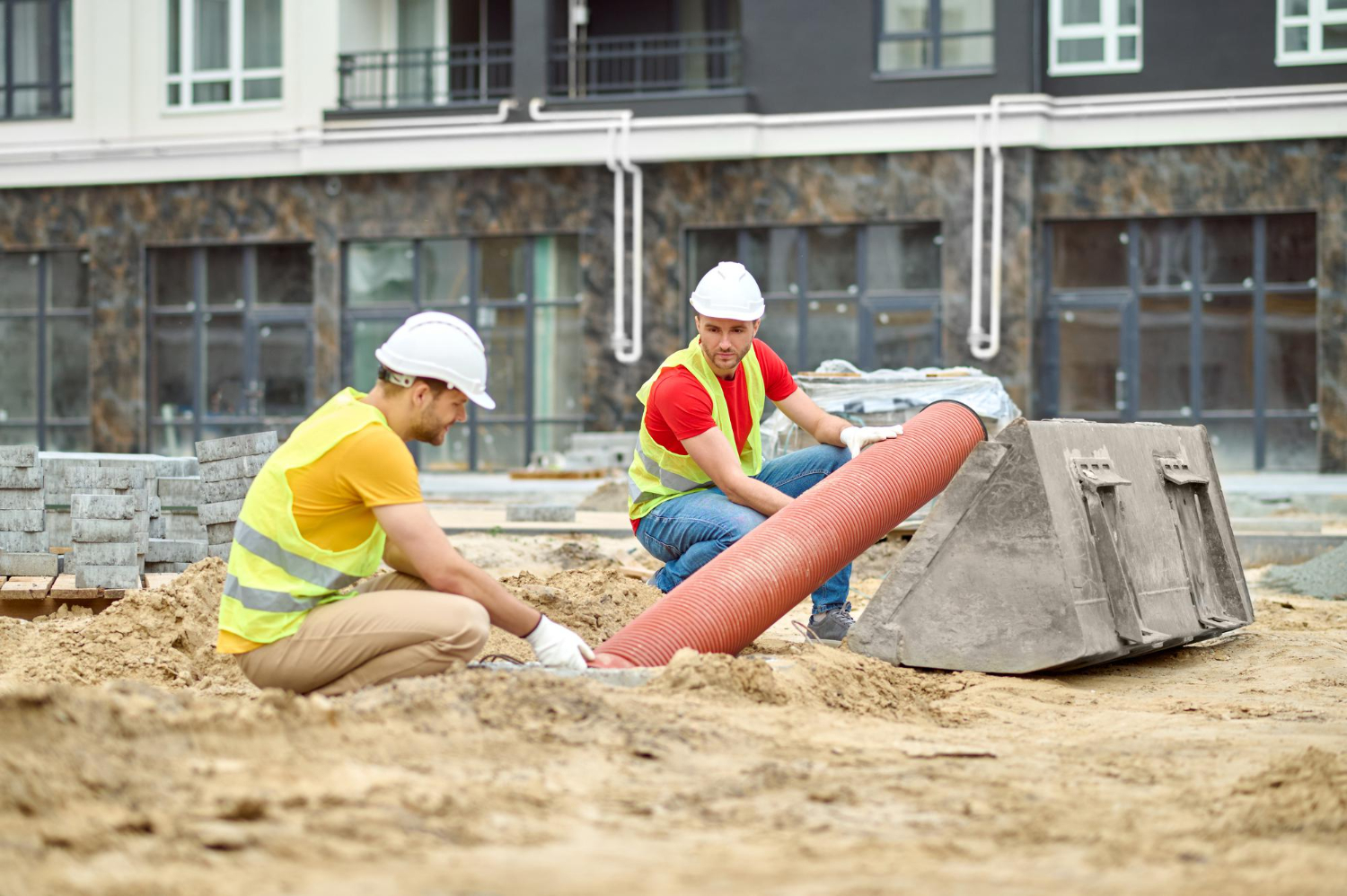
Outdoor construction involves excavation, grading, and structural elements, so licensing and insurance matter. Altizer Lawn & Landscape is licensed and insured and provides owner led service, which means the person you talk with about the project is involved in the work itself. Free estimates are available.
Ask for a written scope that names the materials, describes the base preparation, and explains how drainage will be handled. Ask how the site will be protected during excavation and how debris will be removed. On any project involving digging near a foundation, an existing utility line, or a property line, confirm those details before work starts rather than after the equipment is on site.
Serving Richmond and the Surrounding Counties
Altizer Lawn & Landscape works with homeowners in Richmond City and the surrounding area, including Mechanicsville, Hanover, and Henrico. Properties across the region vary widely, from in town lots with tight access to larger parcels where a gravel driveway is the practical choice. That variety is one reason a site visit matters before any estimate is final.
Frequently Asked Questions
How do I know if my yard needs drainage work before a new driveway or patio?
Some signs are easy to spot: standing water after rain, mulch or gravel washing out, soft spots in a driveway, or water reaching a crawlspace or garage. If any of those show up, address grading or a French drain as part of the same project so the new surfaces are not disturbed later.
How deep should the base be under a gravel driveway?
The right depth depends on the soil, the expected traffic, and the material being used. Rather than chasing a single number, ask your contractor to explain how they will excavate, grade, and compact the base, and how the finished surface will shed water. Get those details in writing in the scope of work.
Can a walkway be built on a sloped yard?
Yes, though slopes usually mean steps, landings, or grading to create a comfortable path. A walkway on a slope also needs drainage planned, because water running downhill can undermine the base. The site visit is where the layout and the transitions get worked out.
Do I need a permit for a patio or retaining wall in Richmond?
Requirements vary by locality and by the height and location of the structure. Because rules differ between Richmond City, Henrico, and Hanover, check with the relevant local building department before work begins. A local contractor can help you identify which approvals may apply to your project.
What areas does Altizer Lawn & Landscape serve?
Altizer Lawn & Landscape serves homeowners in Richmond City and the surrounding metro area, including Mechanicsville, Hanover, and Henrico. The company handles lawn care, hardscaping, drainage solutions, gravel driveways, and outdoor construction, and offers free estimates for residential projects.
Conclusion
A successful outdoor construction project depends on more than choosing attractive materials. Proper excavation, grading, base preparation, and drainage help driveways, walkways, patios, and retaining walls stay functional and durable. Planning these elements together can also prevent drainage problems, shifting surfaces, and costly repairs. If you’re planning outdoor construction in Richmond, VA, Altizer Lawn & Landscape can help. Contact the team today to discuss your project, evaluate your property, and create an outdoor space built for lasting performance.