
Excavation rarely starts as a homeowner’s idea. It usually shows up because something else forced the issue: a gravel driveway that has turned into a rutted mess, water pooling against the foundation after every storm, a patio project that cannot begin until the ground is shaped correctly, or an overgrown back corner that needs to be cleared before anything else can happen. At that point the question changes from “do I need excavation” to “who does this work, what does it actually involve, and how do I know I am hiring the right crew?”
This guide covers what residential excavation looks like in the Richmond area, which services fall under that umbrella, how to compare a dedicated site-work contractor with a landscape company that offers grading and excavation, and the questions worth asking before anyone puts a bucket in the ground.
What Excavation Services Cover on a Residential Lot
Excavation is a broad term, and homeowners are often surprised by how much sits underneath it. Contractor directories in the Richmond area break the category into filters such as land clearing, driveway installation, dirt work, grading, land leveling, driveway preparation, and demolition, along with related categories like landscape contractors and construction services. That list is a reasonable map of what a residential excavation job can include.
Land clearing and grubbing
Clearing and grubbing is the removal of vegetation, roots, brush, and debris so the ground is ready for whatever comes next. Virginia site preparation contractors describe this step as clearing a site and preparing the land for upcoming construction work. For homeowners, this is often the first phase on an overgrown lot, a wooded building pad, or a section of property that has been left alone for years and needs to be brought back into use.
Grading and land leveling
Grading reshapes the surface of the soil so that water moves in the right direction and whatever you build on top of it sits level. Grading, land leveling, and dirt work appear as separate service categories in local contractor listings, and grading is frequently paired with drainage work because the two problems are usually connected. If water pools near a foundation, runs toward a garage, or leaves a lawn soggy for days after rain, the grade is often part of the explanation.
Drainage and erosion control
Erosion control and drainage show up alongside excavation in the service descriptions of Richmond-area site-work companies. On a residential property, that can mean regrading a slope, redirecting runoff away from a structure, or installing a drainage system so soil stops washing out. Drainage and grading are commonly handled together because fixing one without the other tends to leave the problem half solved.
Driveway preparation and installation
Driveway preparation and driveway installation are listed as distinct categories in excavation contractor directories, which reflects how much of a project a driveway really is. The base has to be shaped and prepped before any surface material goes down, whether that surface is gravel or something else. Homeowners dealing with ruts, standing water at the end of a driveway, or a surface that keeps sinking are usually looking at a preparation problem rather than a surfacing problem.
Common Reasons Richmond Homeowners Call an Excavator
Residential excavation work tends to fall into a handful of recurring situations. Knowing which one matches your property makes the first phone call much more productive.
- Clearing brush, trees, and debris from an overgrown lot or a new building pad.
- Regrading a yard to stop water from pooling or running toward the house.
- Preparing a base for a new gravel driveway or rebuilding one that has failed.
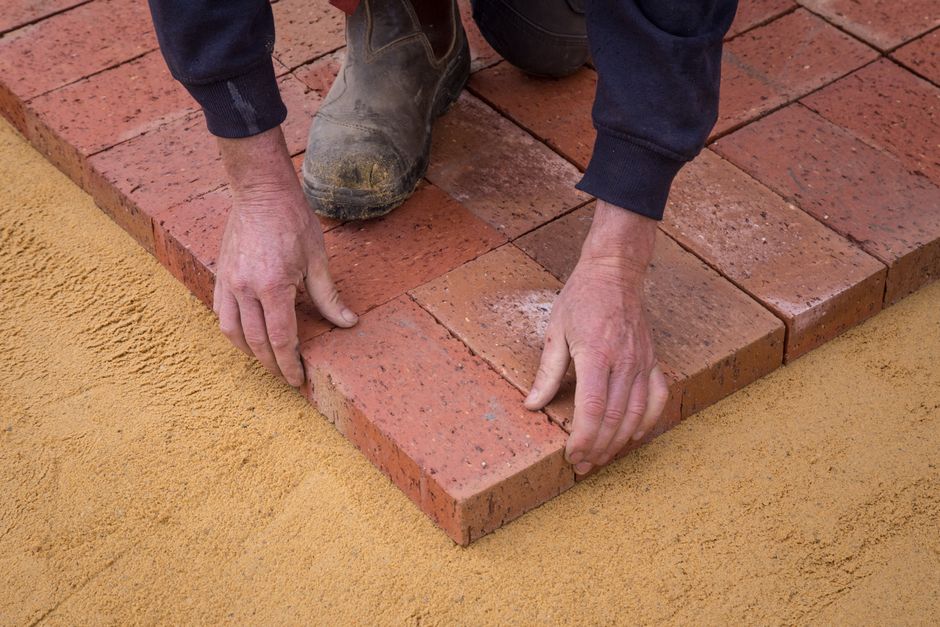
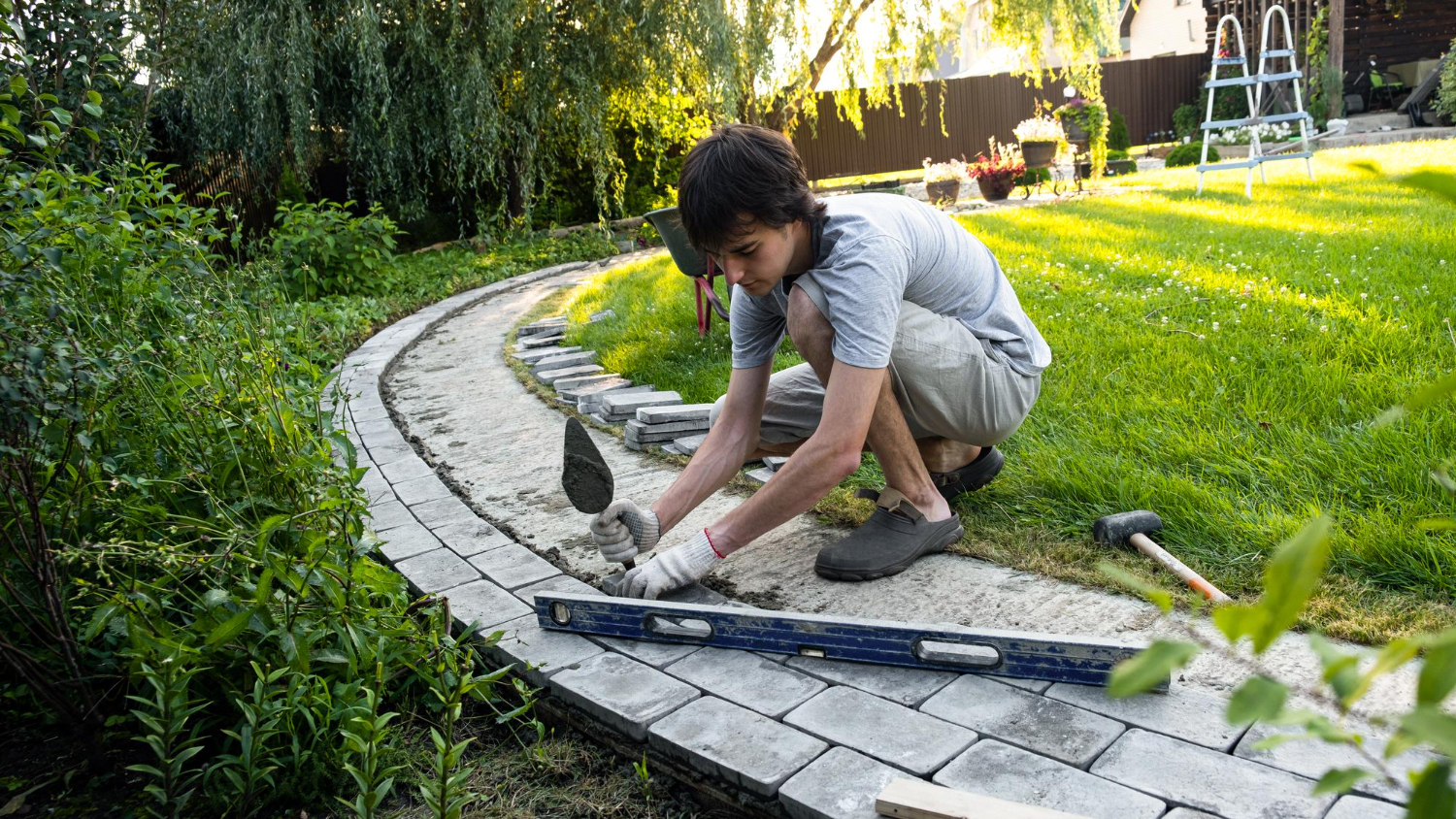
- Shaping ground before a patio, retaining wall, walkway, or fire pit is installed.
- Filling low spots and correcting uneven ground that makes mowing difficult.
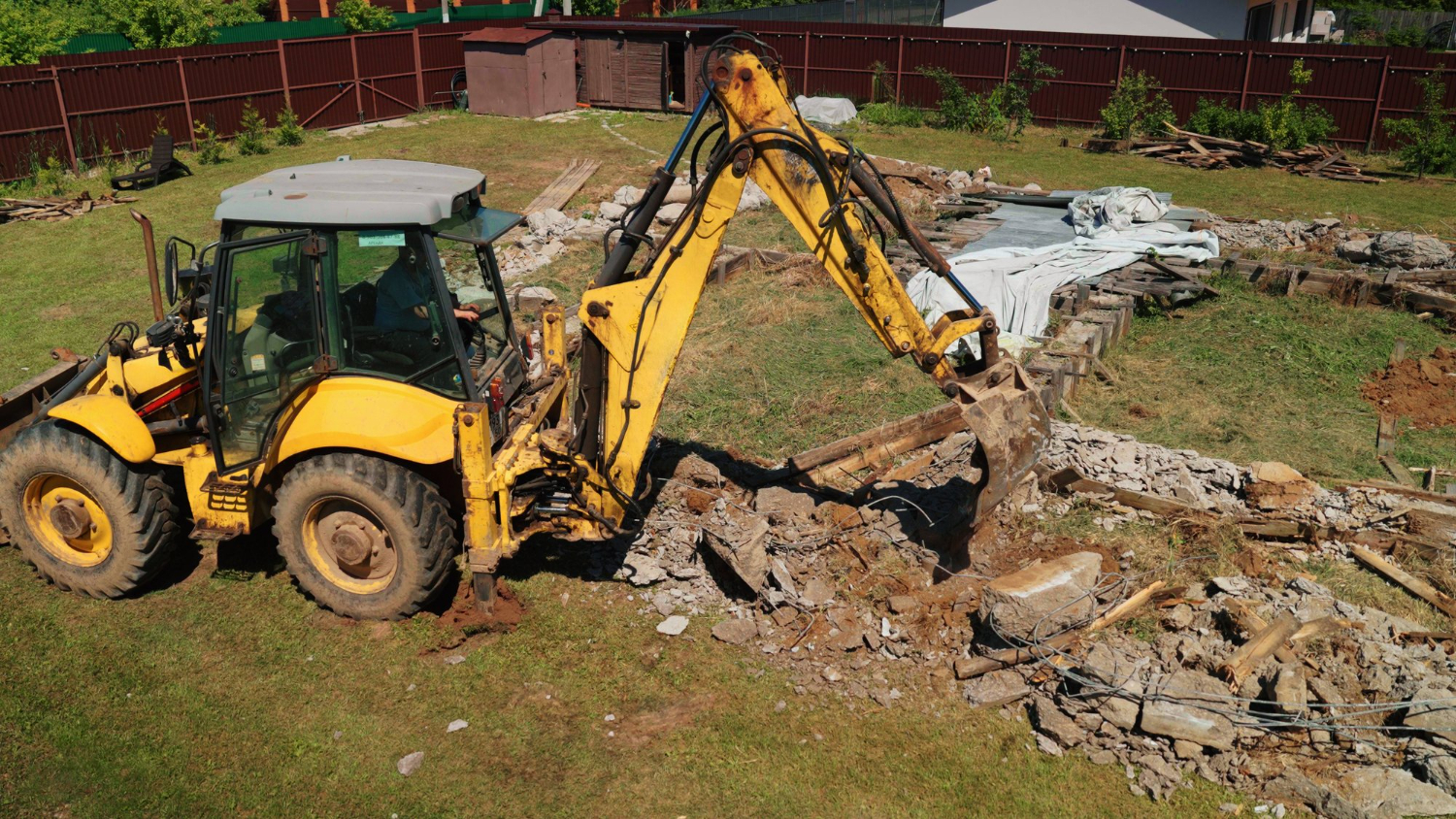
- Removing an old concrete pad, shed foundation, or other hardscape before new work begins.
- Addressing erosion on a slope where soil keeps washing away after storms.
Matching the Service to the Job
The categories used by contractor directories are not interchangeable, and mixing them up can lead to hiring the wrong company or asking for the wrong scope of work. The table below shows how the common categories line up with typical homeowner situations.
| Service category | What it generally involves | Typical homeowner situation |
|---|---|---|
| Land clearing | Removing vegetation, roots, and debris from a site | Overgrown lot, wooded building pad, brush removal |
| Grading and land leveling | Reshaping the soil surface to a planned slope | Standing water, uneven ground, prep for a patio or wall |
| Dirt work | Moving and placing soil across the property | Filling low spots, building up a pad area |
| Driveway preparation | Shaping the base before a driveway surface is added | New gravel driveway, rebuilding a rutted one |
| Drainage and erosion control | Directing water and stabilizing soil | Soggy lawn, slope washing out, water near the foundation |
| Demolition | Removing existing structures or hardscape | Old concrete pad, shed base, or steps in the way |
Hydro Excavation Compared With Traditional Digging
Not every excavation job involves a machine bucket. Hydro excavation uses high-pressure water and vacuum technology to expose and remove soil, and the companies that offer it position it as an alternative to mechanical digging in situations where precision matters. The specific advantage they point to is safety around underground utilities, sensitive infrastructure, and active industrial sites, where mechanical digging increases the risk of damaging pipes, cables, and structural components.
That does not mean hydro excavation replaces conventional equipment on a typical residential lot. Most residential work, including grading, driveway prep, and drainage, is done with standard earthmoving equipment. Hydro excavation tends to be relevant when a project needs to expose or work near buried lines with care. If your project involves digging near utilities, it is worth asking whether hydro excavation is appropriate and who would perform that portion of the work.
How to Vet an Excavation Contractor in the Richmond Area
Richmond has no shortage of earthwork companies. One industry directory lists hundreds of earthwork contractors within 25 miles of the city, and the Better Business Bureau maintains a separate category for excavating contractors serving Richmond. That volume is good news for availability and bad news for decision making, so narrow the field deliberately.
Confirm licensing and insurance
Virginia issues contractor credentials, and site-work companies in the state commonly advertise their registration. As one example, a Virginia site preparation contractor lists a Class A contractor registration number on its website, along with its classification and federal registration details. Ask any company you are considering for its license information and proof of insurance, and verify the details through the state authority that issues contractor credentials rather than relying on a website badge.
Ask whether they work on residential properties
This is the single most common mismatch in the Richmond market. Several of the area’s site preparation firms describe themselves primarily as commercial contractors, handling subdivision development, commercial sitework, and large-scale clearing and grading. Many of the earthwork listings you will find are organized around commercial, industrial, and institutional market sectors. Residential lots come with tighter access, smaller equipment needs, and neighbors to consider, so confirm the company regularly takes on homeowner projects before you get too far into the conversation.
Get the scope in writing
Excavation estimates should spell out what is included: how much ground is being disturbed, where spoil or debris goes, whether the work includes restoring lawn or landscaping afterward, and what happens if the crew hits something unexpected underground. Vague scopes are where budgets drift.
Talk about underground utilities before digging starts
Hydro excavation providers are direct about the risk: mechanical digging around buried pipes and cables can cause damage. Ask every contractor how they plan to identify what is buried on your property and who is responsible for arranging that step. If the answer is vague, that is a warning sign.
Check permits with your local jurisdiction
Permitting rules vary by project and by locality across the Richmond region. Requirements also change over time, so confirm directly with your city or county before work begins rather than assuming an earlier project’s rules still apply.
Use more than one source of information
Directories such as the Better Business Bureau, Procore’s earthwork contractor network, and consumer matching services all list Richmond-area excavating contractors, and each one filters by different criteria. Cross-checking a company across a couple of sources gives you a fuller picture than a single listing or review.
What Drives the Size of a Residential Excavation Job
There is no standard price for excavation because the scope changes so much from property to property. What matters is understanding the factors that push a job larger or smaller, then asking each contractor to explain how those factors apply to your lot.
- Access: how easily equipment can reach the work area, and whether fencing, trees, or tight spaces limit machine size.
- Area and depth: how much ground is being moved and how far down the work goes.
- Soil conditions: what the crew encounters once digging starts, which is not always visible beforehand.
- Water: whether the site drains on its own or needs a drainage component built into the job.
- Debris and spoil: where removed material goes and what it costs to haul it away.
- Restoration: whether the job ends at bare dirt or includes reestablishing lawn and plantings.
Because scope varies this much, the practical approach is to request written estimates from more than one contractor and compare them line by line rather than comparing a single bottom-line number.
A Landscape Contractor or a Dedicated Excavator?
Some excavation work is small enough to be part of a larger outdoor project, and some of it is not. Shaping ground for a patio, correcting a grade around a foundation, prepping a gravel driveway base, or tying excavation into a drainage solution are all jobs that sit comfortably within a landscaping scope of work. A local landscaping company that offers excavation and grading can handle the digging and then continue straight into the hardscape, drainage, or lawn restoration that follows.
Larger earthmoving projects, such as clearing an acre of wooded land or preparing a site for new construction, generally call for a dedicated site-work contractor that runs that kind of equipment as its primary business. When you talk with either type of company, ask whether the work is performed by their own crew or subcontracted, and confirm that whoever handles the excavation also handles, or clearly hands off, the restoration afterward.
Frequently Asked Questions
What do excavation services actually do?
Excavation services move, shape, and remove soil and debris so a property is ready for construction, hardscaping, drainage work, or a new driveway. In the Richmond market, contractor directories group the work under categories including land clearing, grading, land leveling, dirt work, driveway preparation and installation, erosion control, and demolition. On residential lots, the most common jobs are grading for water management, clearing overgrown ground, and prepping driveway bases.
How do I find reputable excavation contractors in Richmond VA?
Start with established directories that list contractors by category and location, including the Better Business Bureau’s excavating contractors section and the Procore earthwork contractor network, which lists hundreds of companies within 25 miles of the city. Then narrow the list by confirming licensing and insurance, verifying that the company takes residential work, requesting written scopes, and checking references. No single listing is enough on its own, so cross-check candidates across a few sources.
Is hydro excavation better than traditional digging?
They solve different problems. Hydro excavation uses high-pressure water and vacuum technology to expose and remove soil, which providers describe as more precise and less disruptive than mechanical digging when working near underground utilities, pipes, cables, and sensitive infrastructure. For everyday residential jobs such as grading a yard or prepping a gravel driveway base, standard earthmoving equipment is the normal approach. Ask which method fits your specific site.
Do I need excavation for a gravel driveway or a drainage fix?
Usually yes, at least in part, because both problems start below the surface. Driveway preparation is a distinct category in excavation contractor listings, since the base has to be shaped before a surface goes down. Drainage work frequently pairs with grading, and Virginia site-work companies routinely list drainage and erosion control alongside excavation. Fixing only the visible layer often leads to the same problem returning.
What should I ask before hiring an excavation contractor?
Ask about license and insurance, whether the company regularly works on residential properties, how underground utilities will be identified before digging, where removed soil and debris will go, and whether the estimate includes restoring the lawn or landscaping afterward. Also confirm permitting requirements with your local jurisdiction, since rules vary across the Richmond region. Getting those answers in writing before work begins prevents most surprises.