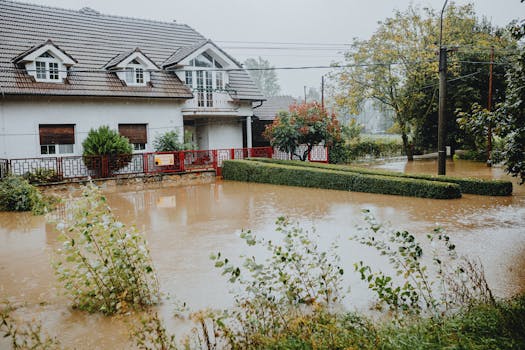
Richmond homeowners know that heavy rain can leave lasting marks on a yard. Puddles that sit for days, muddy patches near the foundation, and eroded slopes are all signs that water is not moving where it should. Yard drainage in Richmond VA is about more than appearances. When water collects in the wrong places, it can damage your lawn, your landscaping, and even the structure of your home. A well-planned drainage system keeps water moving away from the house and gives your yard a chance to stay healthy through every season.
Why Yard Drainage Matters in Richmond VA
Standing water is not just an eyesore. Over time, it can cause real damage to your property. Water that pools against your home’s foundation can seep into basements and crawl spaces. Saturated soil can shift and settle, which puts pressure on patios, walkways, and retaining walls. Erosion strips away topsoil and leaves bare roots and muddy ruts behind.
An effective drainage system solves these problems by moving excess water away from your home and toward a safe discharge point. The goal is to reduce erosion, prevent standing water, and keep the soil stable enough to support a healthy lawn. In a region that sees heavy spring storms and summer downpours, having a plan for rainwater is not optional. It is a basic part of protecting your investment.
Common Signs Your Yard Needs Better Drainage
Some drainage problems are easy to spot. Others only show up when the damage is already underway. These are the signs Richmond homeowners should watch for:
- Puddles that remain hours after the rain has stopped
- Spongy grass that squishes when you walk across it
- Water stains or dampness along your foundation walls
- Soil erosion around downspouts, driveways, or slopes
- Thin, patchy grass in low areas while the rest of the lawn thrives
- Mud that gets tracked onto patios and walkways
If several of these signs sound familiar, it is worth having a professional look at your yard. Identifying the source of the problem early is much easier than repairing the damage after a wet season takes its toll.

How Richmond’s Clay Soil Affects Yard Drainage
Part of the reason drainage problems are so common in the Richmond area comes down to the ground itself. Soil in the region tends to have a high clay content, especially in the upper layers. Clay particles pack tightly together, which means water moves through them very slowly. When a hard rain falls on clay soil, much of the water has nowhere to soak in. Instead, it collects on the surface or flows toward the lowest point on your property.
This is why a simple downspout extension may not be enough to fix a soggy yard. The water needs to be collected and carried away through a system designed for the conditions. Local contractors who work in Richmond understand the soil and can recommend solutions that actually perform well here.
Drainage Solutions That Work for Richmond Lawns
No single drainage product works for every yard. The right approach depends on your soil, the slope of your property, where the water comes from, and where it can safely go. These are the most common solutions used by drainage professionals in Richmond.
French Drains
A French drain is a trench filled with gravel that contains a perforated pipe. Water seeps into the trench, and the pipe carries it to a designated discharge area. French drains are often installed along foundations, at the base of slopes, or through low spots where water tends to gather. They are one of the most reliable ways to move water away from a home.
Grading and Soil Leveling
Sometimes the problem is not too much water, but the path it takes. If the ground slopes toward your house or dips in the middle, water will settle there no matter how much rain falls. Landscape professionals can level the soil and regrade the surface so it slopes away from the structure. Proper grading is often the first step in a complete drainage plan.
Dry Wells and Catch Basins
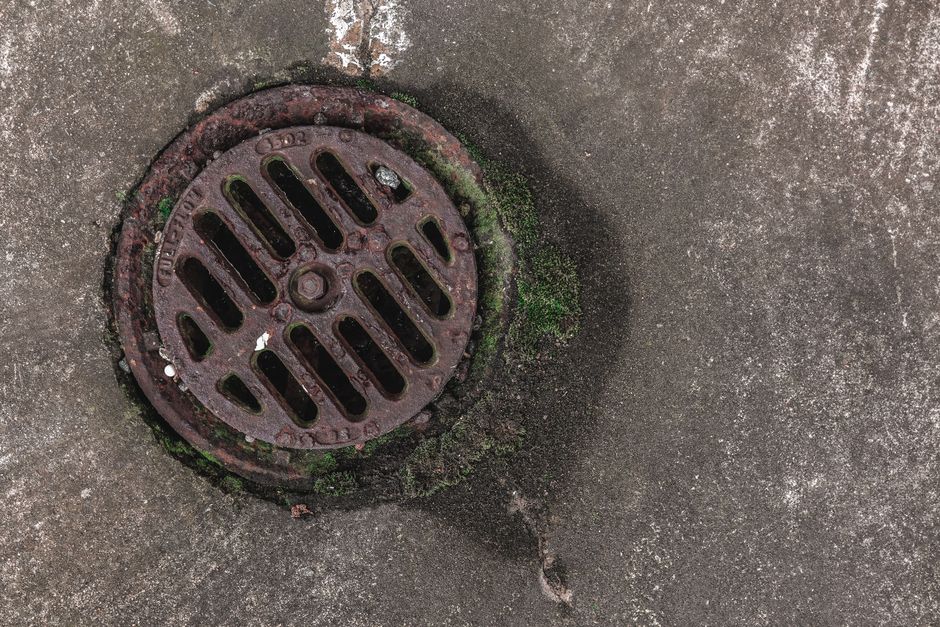
A dry well is a buried chamber that collects runoff and allows it to slowly absorb into the surrounding ground. Catch basins sit at the surface and capture water from downspouts, driveways, or low areas before it can spread across the yard. When combined with underground pipes, these fixtures can handle a surprising amount of water during a heavy storm.
Drainage Ditches and Retaining Walls
On properties with strong slopes or large volumes of runoff, an open drainage ditch or swale can move water across the landscape to a better location. Retaining walls help hold soil in place and reduce erosion on hillsides. Both features need to be planned with care so the water ends up somewhere safe and does not create a new problem for a neighboring property.
Sump Pumps
When gravity alone cannot move water out of a low area, a sump pump can do the job. Sump pumps collect water in a basin and push it out through a discharge pipe. They are commonly used in basements, but they can also solve yard drainage problems on flat or low-lying lots where water has no natural path to escape.
Choosing a Drainage Contractor in Richmond
Richmond homeowners have plenty of options for drainage help. The Better Business Bureau directory alone lists more than 340 drainage contractors near Richmond, and many landscaping companies in the area also offer drainage installation. With so many choices, it pays to narrow the list to contractors who are licensed, insured, and experienced with residential work in the local soil.
Look for a company that will visit your property, evaluate the slope and the source of the water, and explain the solution before any work begins. Many Richmond drainage contractors offer free estimates or consultations. No job is too big or too small for a good drainage specialist, and the best ones will take the time to design a system that fits your yard rather than pushing a one-size-fits-all product.
What to Expect from a Drainage Installation
A professional drainage installation usually starts with an assessment of your yard. The contractor looks for low spots, identifies where water enters the property, and checks how the soil absorbs moisture. From there, the plan may include leveling soil, installing a French drain, adding a catch basin, or building a small retaining wall.
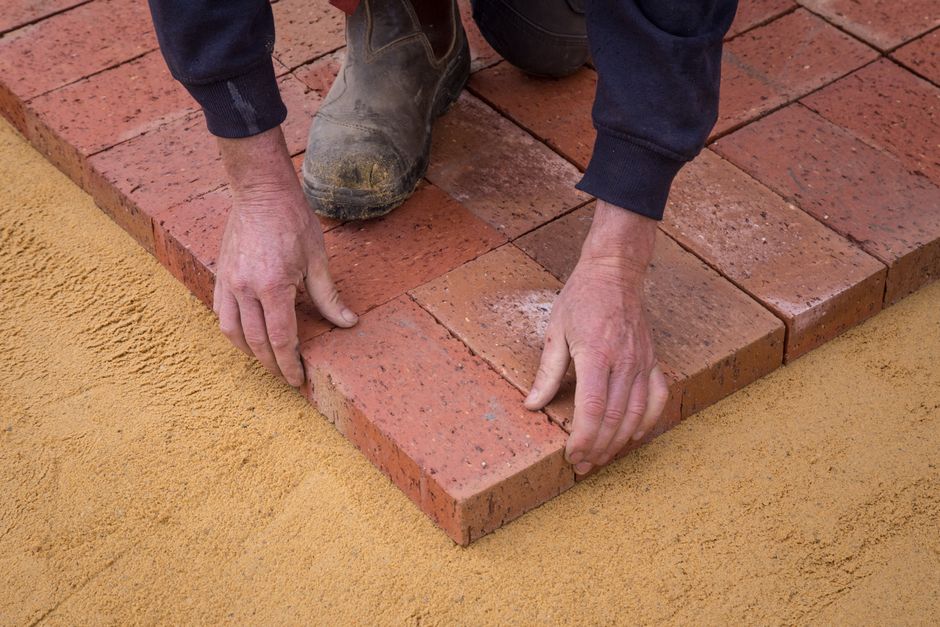
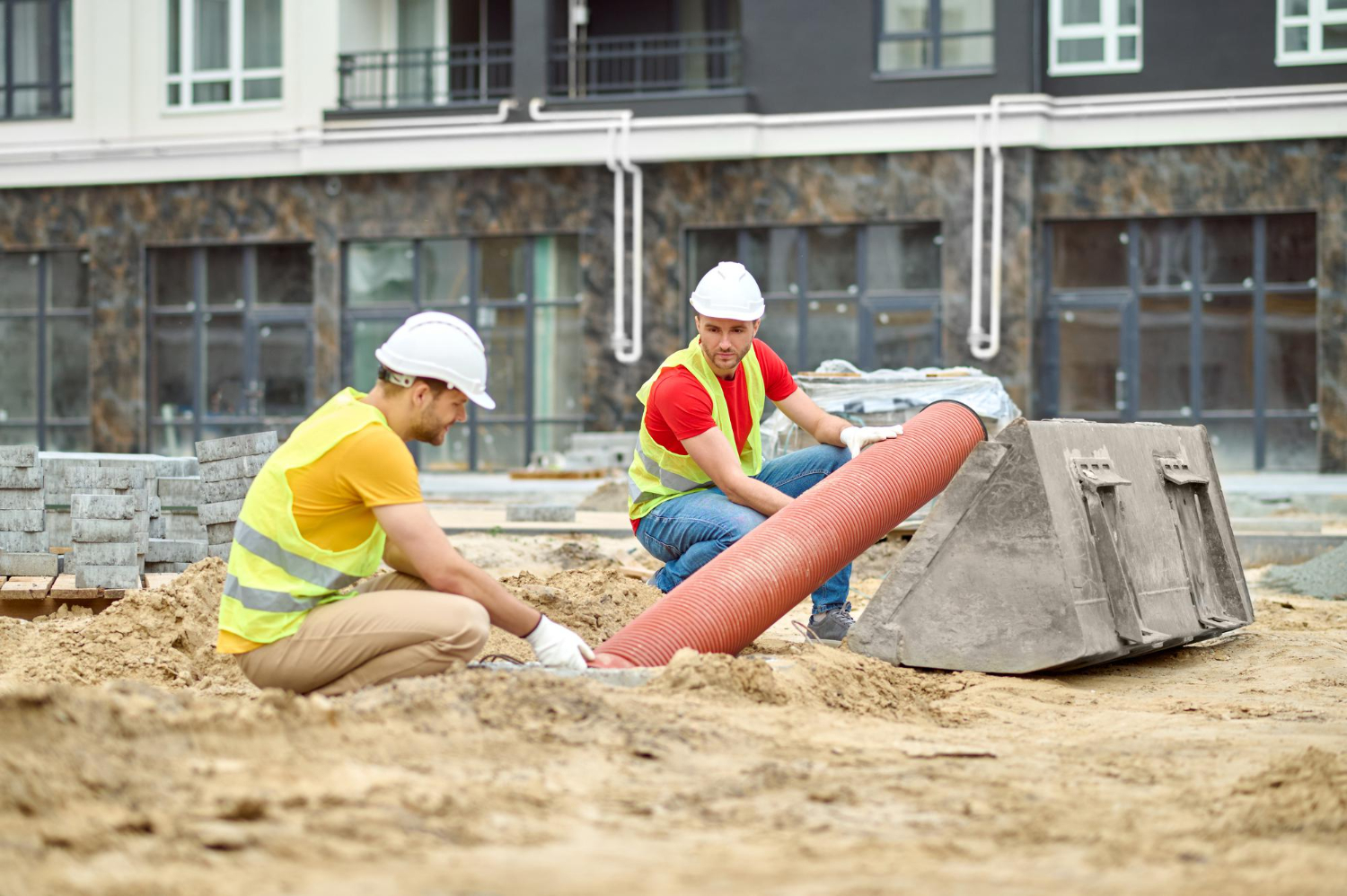
The installation itself involves excavation, pipe placement, and backfilling. After the system is in place, the contractor restores the surface so your lawn can recover. The result is a yard that handles rain better and dries out faster, which means less mud, fewer mosquito problems, and a healthier lawn overall.
Keeping Your Drainage System Working
A drainage system is built to last, but it is not maintenance free. Leaves, dirt, and debris can wash into catch basins and clog underground pipes over time. Storm damage can shift components or block the outlet where water exits the yard. Drainage systems protect your home, but they are not invincible.
Check your drain covers and outlets a few times a year, especially after big storms. Clear away leaves and debris so water can flow freely. If you see water pooling again in an area that used to drain well, call a professional to inspect the system before the problem gets worse.
Work with a Local Company That Knows Richmond Yards
For homeowners dealing with soggy spots, erosion, or water near the foundation, the best time to act is before the next heavy rain. A local landscaping company can handle the full range of yard drainage services, including French drains, grading, and erosion control. Altizer Landscape offers residential drainage solutions across the Richmond metro area, including Mechanicsville, Hanover, Henrico, and Richmond City. As a family-owned, licensed, and insured company, Altizer Landscape provides owner-led service and free estimates so you can get clear answers about your yard before any work begins.
Frequently Asked Questions
Richmond homeowners often have the same questions about yard drainage. Here are straightforward answers to the most common ones.
How much does yard drainage cost in Richmond VA?
Pricing depends on the size of the yard, the type of drainage system, and how much grading or excavation is needed. Because every property is different, there is no single price that fits all projects. The most reliable way to get an accurate number is to request free estimates from several local drainage contractors and compare their recommendations.
What is the best drainage solution for clay soil?
Clay soil drains slowly, so the best solution is usually a system that collects water at the surface and moves it away quickly. French drains, catch basins, and proper grading all work well in these conditions. A local professional can evaluate your yard, identify the low spots, and design a system that matches your soil and slope.
Can I fix yard drainage myself?
Small grading adjustments and cleaning out existing drains are tasks some homeowners can handle. Larger problems, such as installing a French drain or regrading a slope, usually require the right equipment and an understanding of how water moves through soil. A professional installation also helps ensure the system directs water away from your home rather than causing a new problem nearby.
Do drainage systems need maintenance?
Yes. Drainage systems protect your home, but they are not invincible. Leaves, dirt, and debris can build up in catch basins and pipes over time, reducing their ability to move water. Periodic cleaning and inspection help keep the system working. If you notice pooling water returning in areas that used to drain well, it is a sign that the system needs attention.
Protect Your Yard Before the Next Heavy Rain
Poor drainage can lead to standing water, erosion, damaged grass, and moisture problems around your home. Since every property has unique soil, slopes, and water-flow patterns, a professional assessment can help determine the right solution before damage becomes costly.
If your Richmond yard stays soggy, develops muddy areas, or shows erosion, Altizer Lawn & Landscape can help. Our team installs French drains, grading solutions, catch basins, and erosion-control systems for local properties. Contact Altizer Lawn & Landscape today to discuss your drainage needs and protect your yard before the next storm arrives.