Frequently Asked Questions
How can I enhance my outdoor space?
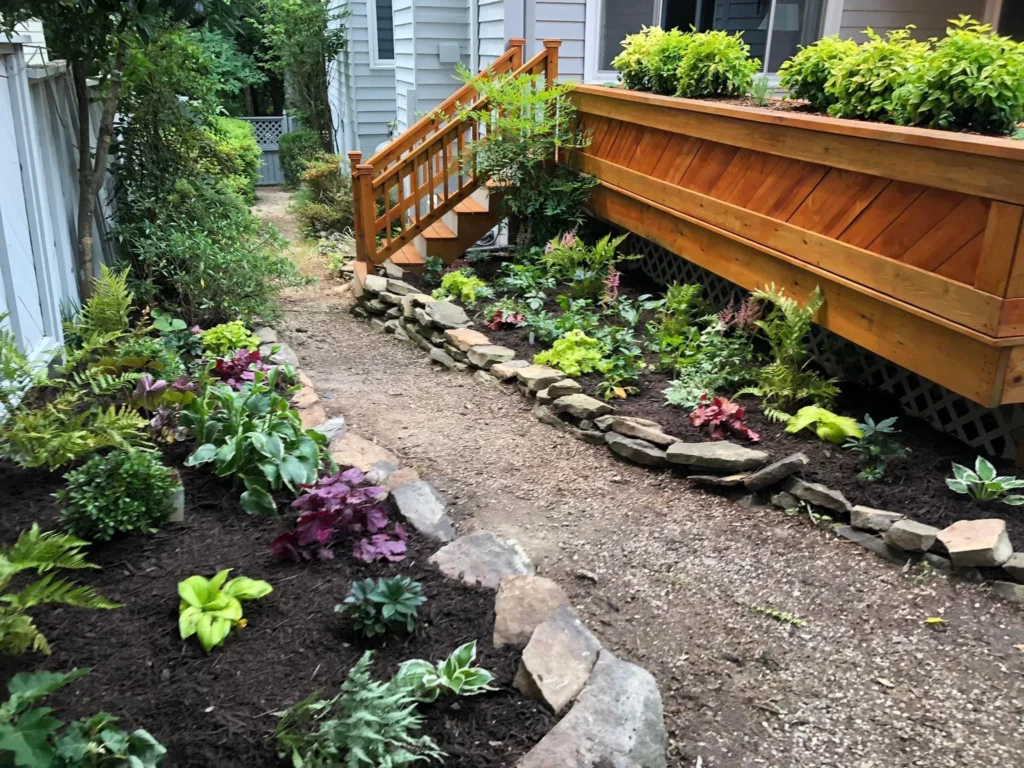
Enhancing your outdoor space can be achieved by incorporating landscaping elements such as vibrant plants, functional hardscaping features, and effective drainage solutions to create an inviting and sustainable environment.
What landscaping services do you offer?
The landscaping services we offer include lawn maintenance, hardscaping, and drainage solutions, all designed to enhance your outdoor space while protecting your home's foundation.
How do I contact Altizer Landscape for a consultation?
To contact Altizer Landscape for a consultation, you can reach us by phone at [insert phone number] or fill out the contact form on our website. We look forward to discussing your landscaping needs!
What are the benefits of regular landscape maintenance?
The benefits of regular landscape maintenance include enhancing curb appeal, promoting healthy plant growth, preventing pest infestations, and protecting your home's foundation. Consistent care ensures a beautiful outdoor space while minimizing long-term repair costs.
Can you provide examples of your hardscaping projects?
Examples of Hardscaping Projects by Altizer Landscape
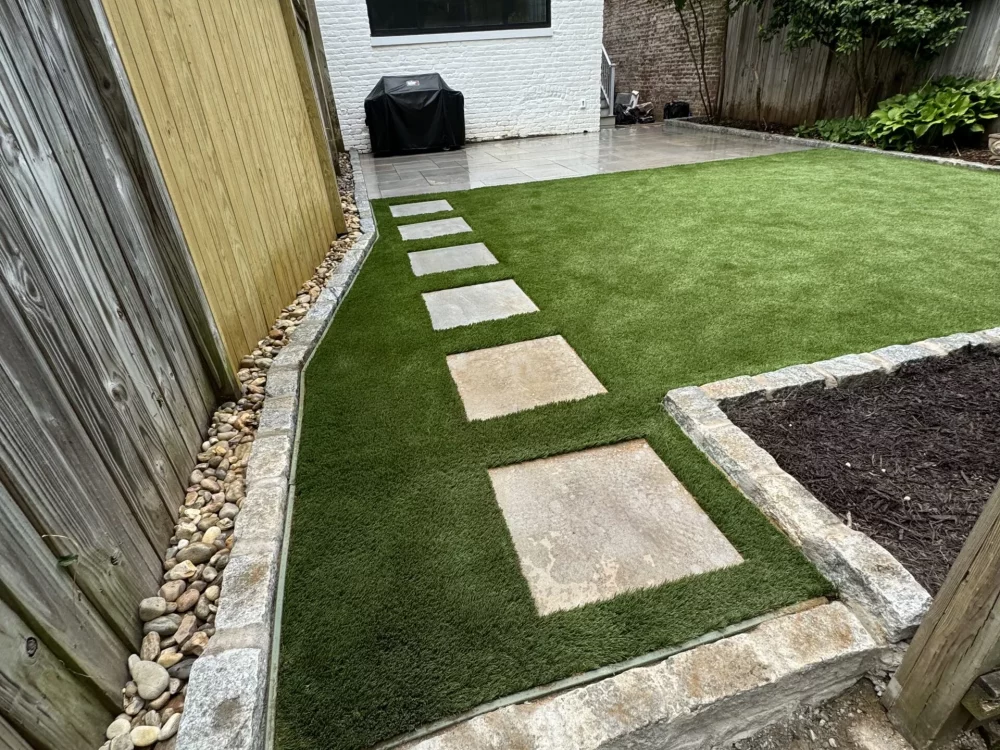
We have completed various hardscaping projects, including patios, walkways, retaining walls, and outdoor kitchens, tailored to enhance outdoor aesthetics while ensuring functionality and durability.
What areas do you serve in Richmond, Virginia?
The areas we serve in Richmond, Virginia, include the greater Richmond area and surrounding neighborhoods, ensuring quality landscaping services for both residential and commercial properties.
What types of plants thrive in Richmond?
The types of plants that thrive in Richmond include native species such as dogwoods, azaleas, and ferns, as well as ornamental grasses and perennials that adapt well to the region's climate and soil conditions.
How often should I water my lawn?
How Often to Water Your Lawn:
You should water your lawn about once a week, providing around 1 to 1.5 inches of water each time, depending on weather conditions and grass type. This promotes deep root growth and a healthy lawn.
What is the best time for landscaping?
The best time for landscaping is typically in the spring or fall. During these seasons, temperatures are moderate, allowing for optimal plant growth and establishment.
How can I improve my gardens drainage?
Improving your garden's drainage involves several effective strategies: ensure proper grading away from your home, install French drains, use permeable materials for hardscaping, and regularly aerate the soil to enhance water absorption.
What landscaping trends are popular in Richmond?
Current landscaping trends in Richmond include native plant gardens, sustainable landscaping practices, and the integration of hardscaping elements like patios and fire pits to enhance outdoor living spaces.
How do I choose the right mulch?
Choosing the right mulch involves considering factors like your plant types, desired aesthetics, and the mulch's moisture retention and weed suppression properties. Organic options like wood chips enrich the soil, while inorganic mulches offer durability and low maintenance.
What are the costs of landscaping services?
The costs of landscaping services vary based on the scope of work, materials used, and specific services requested. For a detailed estimate, we recommend contacting Altizer Landscape to discuss your project needs.
How can I maintain my landscape in winter?
Winter Landscape Maintenance Tips
Maintaining your landscape in winter involves protecting plants from frost, ensuring proper drainage, and keeping walkways clear of snow and ice. Regularly check your landscape for any signs of damage and provide necessary care to promote healthy growth in spring.
What is hardscaping and its benefits?
Hardscaping refers to the non-plant elements of landscaping, such as patios, walkways, and retaining walls. Its benefits include enhanced outdoor aesthetics, improved functionality, and reduced erosion, making your outdoor space more enjoyable and sustainable.
How do I prepare my yard for spring?
How to Prepare Your Yard for Spring:
Preparing your yard for spring involves clearing debris, aerating the soil, reseeding bare patches, and applying fertilizer to promote healthy growth. Regular maintenance ensures a vibrant and thriving landscape as the season progresses.
What landscaping materials do you recommend?
The recommended landscaping materials include natural stone, mulch, and native plants, which enhance aesthetics while promoting sustainability and proper drainage for your outdoor spaces.
How can I create a sustainable garden?
Creating a sustainable garden involves using native plants, implementing efficient watering techniques, and promoting biodiversity. Incorporate composting and organic practices to enrich the soil while minimizing chemical use, ensuring a thriving ecosystem.
What are the signs of lawn disease?
The signs of lawn disease include yellowing or browning patches, wilting grass, unusual growth patterns, and the presence of mold or fungus. Early detection is crucial to effectively manage and restore your lawn's health.
How do I select the right landscape design?
Selecting the right landscape design involves assessing your outdoor space, considering your lifestyle, and aligning with your home’s architecture. Collaborate with a professional to create a design that enhances aesthetics and functionality while ensuring proper drainage and foundation protection.
What is the process for landscape installation?
The process for landscape installation involves several key steps: initial consultation, design planning, site preparation, installation of hardscapes and plants, and final inspection to ensure quality and satisfaction.
How can I enhance curb appeal effectively?
To enhance curb appeal effectively, focus on maintaining a lush lawn, incorporating colorful landscaping, and ensuring clean walkways. Adding decorative elements like planters or outdoor lighting can also create an inviting atmosphere for your home.
What are the benefits of native plants?
The benefits of native plants include their ability to thrive in local climates, support local wildlife, reduce water usage, and require less maintenance, making them an eco-friendly choice for enhancing your landscape.
How do I prevent weeds in my garden?
Preventing Weeds in Your Garden:
To prevent weeds in your garden, regularly mulch your flower beds, maintain healthy soil, and employ proper spacing between plants to reduce competition for nutrients and sunlight.
What landscaping features increase home value?
Landscaping features that increase home value include well-maintained lawns, attractive flower beds, mature trees, functional hardscaping like patios and walkways, and effective drainage systems. These elements enhance curb appeal and create a welcoming outdoor space.
How can I incorporate outdoor lighting?
Title Tag: Outdoor Lighting Incorporation Tips
Incorporating outdoor lighting can enhance your landscape by strategically placing fixtures along pathways, highlighting trees, and illuminating patios. Consider using solar lights for efficiency and aesthetics, ensuring safety and ambiance in your outdoor space.
What is the importance of soil testing?
The importance of soil testing lies in its ability to assess soil health and nutrient levels, ensuring optimal plant growth and effective landscaping. This process helps identify deficiencies and informs the best practices for soil management.
How do I choose the right trees?
Choosing the right trees involves considering your climate, soil type, available space, and desired aesthetic. Research native species that thrive in Richmond, Virginia, and ensure they align with your landscaping goals and maintenance preferences.
What maintenance is required for hardscaping?
Maintenance Required for Hardscaping: Regular maintenance for hardscaping includes cleaning surfaces, sealing pavers, checking for cracks, and ensuring proper drainage to prevent damage and prolong the life of your outdoor features.
How can I create a low-maintenance garden?
Creating a low-maintenance garden involves selecting native plants, using mulch to suppress weeds, and incorporating hardscaping features like pathways and patios. This approach minimizes upkeep while enhancing the beauty of your outdoor space.