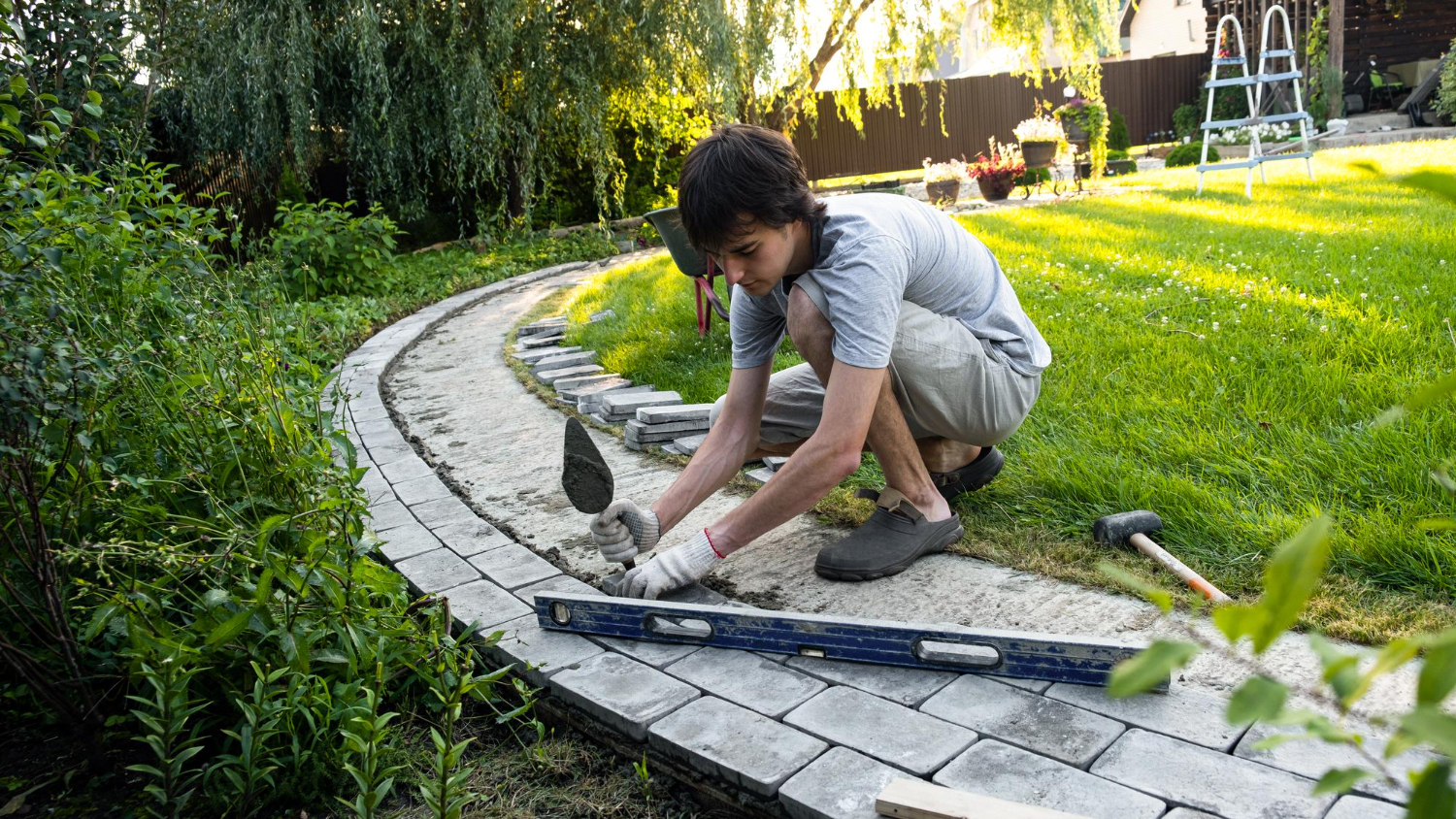
A paver patio is one of the few home improvements that changes how you use your yard every single day. In Richmond, that usually means more grilling in spring, dinners that run long on summer evenings, and a fire pit that keeps guests outside into the fall. This guide covers what a paver patio installation actually involves, what moves the price up or down, and how to choose a contractor who will still answer the phone if something needs attention later.
Why pavers work well in Richmond area yards
Richmond sits in a climate with four real seasons: wet springs, hot summers, and winters that push moisture into the ground and pull it back out again. A patio built from individual pavers is a segmented surface. When the ground shifts, the joints between units absorb that movement instead of forcing one continuous piece of concrete to carry all of it. That is a big part of why pavers remain a popular choice for patios, walkways, and driveways across Richmond City, Henrico, Mechanicsville, Hanover, Midlothian, and Glen Allen.
The other advantage is repairability. If a paver cracks or a section settles after a heavy rain, the affected units can be lifted, the base corrected, and the same pavers reinstalled. With a poured slab, a repair often means a visible patch that never quite matches.
What a paver patio installation actually involves
The finished surface is the part everyone sees, but most of the real work happens underneath it. Residential paver installations follow roughly the same order of operations, and skipping a step is what leads to wobbly, sinking patios a few years down the road.
Excavation and base preparation
The crew removes the existing grass, topsoil, or old surface, then excavates to the depth the base requires. A compacted aggregate base is what actually supports the patio. It should be laid in lifts and compacted in stages rather than dumped and leveled in one pass. Getting this wrong is the most common reason a patio looks great in year one and dips by year three.
Grading and drainage planning
Water has to go somewhere. A patio should be graded so it sheds water away from the house, and the surrounding yard needs a place to accept that water. On lots where the ground already holds moisture or slopes toward the foundation, the plan may need to include drainage work such as a French drain, a regrade, or erosion control. Drainage is far easier to build into the excavation than to add after the pavers are down.
Pavers, edge restraint, and joint sand
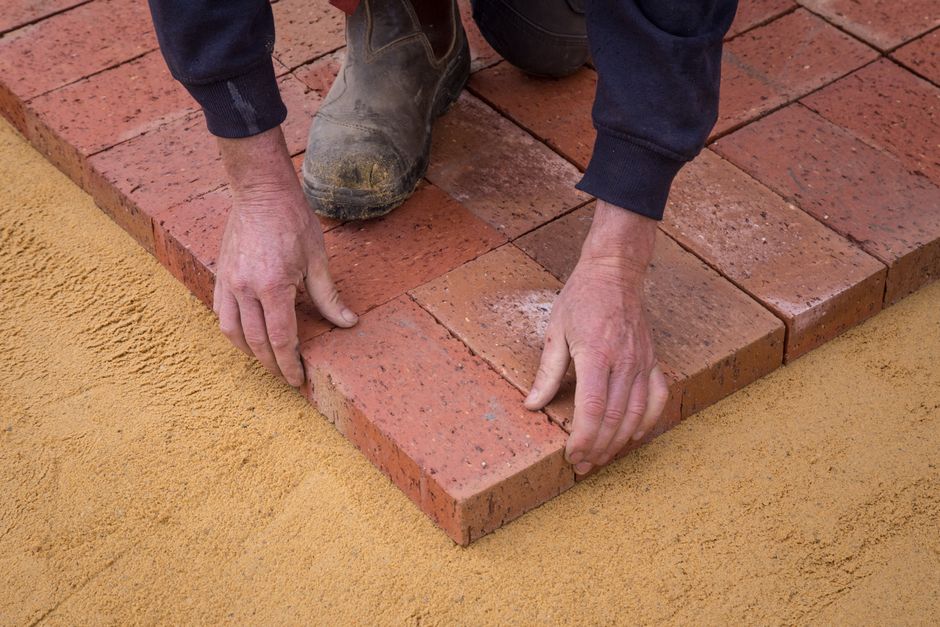
Once the base is set, the bedding layer goes down, pavers are laid in the chosen pattern, and the edges are locked with an edge restraint. Joint sand fills the gaps and helps hold the units together. Cut pieces handle curves, borders, and transitions to steps or walls.
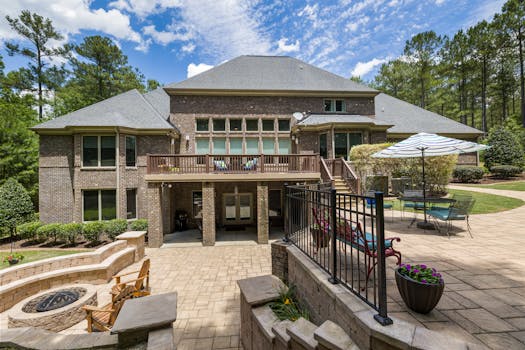
Design options for a Richmond patio
Patios rarely stay standalone projects for long. Most homeowners start with a patio and add elements over time, which is why it helps to plan the whole yard layout early even if you build it in phases. Common features include:
- Paver patios sized for dining, lounging, or both
- Walkways, pathways, and sidewalks that connect the patio to a driveway, deck, or outbuilding
- Retaining walls that level a sloped yard and create usable space
- Sit-on walls and seating walls that add built-in seating and define the patio edge
- Fire pits that extend the season well into fall
- Outdoor kitchens and outdoor living areas with counters, built-in grills, or bar seating
- Step treads where the yard changes elevation
- Pavilions that create a covered space for dining, lounging, and relaxation through more of the year
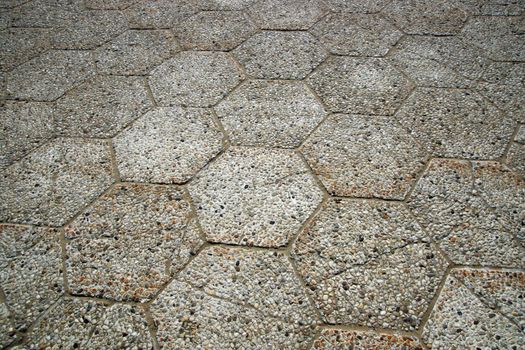
Pavers come in a wide range of colors, textures, and shapes, from tumbled finishes that read as old stone to clean-edged modern profiles. Pattern matters too. Common choices include herringbone and running bond for patios and walkways, while larger-format units with tight joints suit a more contemporary look.
What drives paver patio cost in Richmond VA
There is no single number that applies to every yard, and a contractor who quotes a firm price without seeing the site is guessing. What you can control is understanding which parts of your project carry the most weight, so you can decide where to invest and where to simplify.
| Cost factor | What it changes |
|---|---|
| Patio size and shape | Square footage sets material volume, while curves and multiple angles add layout and cutting time compared with a simple rectangle. |
| Base depth and excavation | Softer ground, buried debris, or an existing patio surface means more removal and more stone brought in. |
| Paver selection | Material type, thickness, and pattern affect both the unit cost and the labor required to install. |
| Grading and drainage | Regrading, French drains, and erosion control add scope but protect the patio and the house. |
| Walls, steps, and built-ins | Seating walls, retaining walls, step treads, fire pits, and outdoor kitchens are separate builds layered onto the patio. |
| Site access | Tight gates and long carries slow crews and equipment, which shows up in labor. |
| Existing surface removal | Old concrete, decking, or pavers have to be demolished and hauled away. |
The most reliable way to get a real number is a site visit. A contractor should walk the yard, check the slope, look at where water goes now, and talk through options before putting anything in writing. Altizer Landscape provides free estimates for homeowners in Richmond, Mechanicsville, Hanover, Henrico, and Richmond City.
How to choose a paver contractor in Richmond
A directory listing for Richmond city currently shows 37 businesses offering paver patio installation, and that count only covers the city itself. There are plenty of options, which makes it harder to tell them apart. A few things are worth checking before you sign anything.
- Licensing and insurance. Ask for both, and confirm the coverage applies to hardscape work.
- Who is on site. Some companies sell the job and subcontract the install. You want to know who is running your crew.
- Base specification. Ask what depth of compacted base they build and how they compact it.
- Drainage plan. Ask where water goes once the patio is in, especially near the foundation.
- Written scope. Confirm demolition, haul-away, drainage, edging, and cleanup are all included.
- Local experience. A contractor who has worked surrounding neighborhoods understands how water moves in the area.
Owner-led companies tend to be more accountable on the details that never show up in a finished photo, like base compaction and grading. Expect a professional crew to walk the site, ask how you plan to use the space, and explain the build sequence before work starts.
Keeping a paver patio in good shape
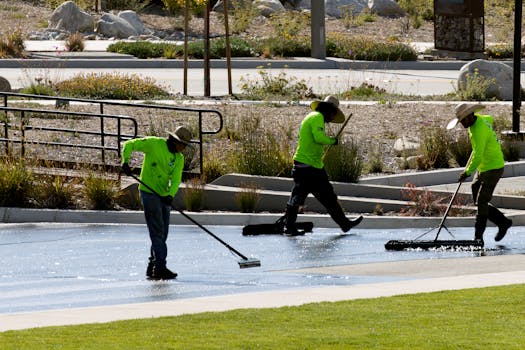
Maintenance is mostly simple. Sweep the surface, keep joints topped up with sand as needed, and pull weeds early before roots work into the gaps. Fallen leaves and debris should not sit on the surface through winter, since trapped moisture contributes to staining and shifting. Professional paver and patio cleaning services can handle deep cleaning and refreshing joint sand when a patio has gone a few seasons without attention.
Watch for low spots after heavy rain. Small dips often signal that the base or drainage needs a closer look, and addressing them early is far less disruptive than rebuilding a section later.
Planning the project
Start by deciding how you want to use the space and roughly how large it needs to be, then watch where water goes in your yard during a storm. Bring those observations to your estimate conversations. A contractor who plans, designs, builds, and installs hardscape features, including patios, walkways, outdoor kitchens, and outdoor living areas, can help you sequence the work so the patio fits into a larger plan rather than becoming something you have to work around later.
Frequently Asked Questions
How much does a paver patio cost in Richmond VA?
Cost depends on square footage, base depth, paver selection, site access, and whether the project includes walls, steps, drainage, or built-ins. Because those factors vary so much from yard to yard, no reliable price exists without a site visit. Ask for a written estimate that itemizes excavation, base material, pavers, edging, drainage, and cleanup so you can compare bids fairly.
Does a paver patio need a permit in Richmond?
Permit rules vary by locality and by what you are building. A simple ground-level patio is often treated differently than a retaining wall above a certain height or a structure with a roof. Your homeowners association may have its own approval process as well. Confirm requirements with the appropriate local building department and your HOA before work begins.
Can a paver patio help with a drainage problem?
It can help, but only if drainage is planned as part of the build. A properly graded patio directs water away from the foundation, and the surrounding yard needs somewhere to accept it. On wet lots, the plan may include a French drain, regrading, or erosion control. Adding drainage during excavation costs less than retrofitting it afterward.
How long does a paver patio installation take?
The schedule depends on the size of the patio, how much excavation and drainage work is involved, weather, and crew availability. Work typically moves through demolition, excavation, base compaction, laying, and finishing in sequence, with cleanup at the end. Ask your contractor for a rough sequence and a weather contingency plan rather than a single date.
Do paver patios need sealing?
Sealing is optional and depends on the look you want and how the patio gets used. It can help with stain resistance and color depth, but it is not required for a paver patio to perform well. Joint sand still needs to be checked and topped up over time. Discuss sealing and joint sand maintenance with your installer so expectations are clear.