
Frequently Asked Questions
What are the steps for French drain installation?
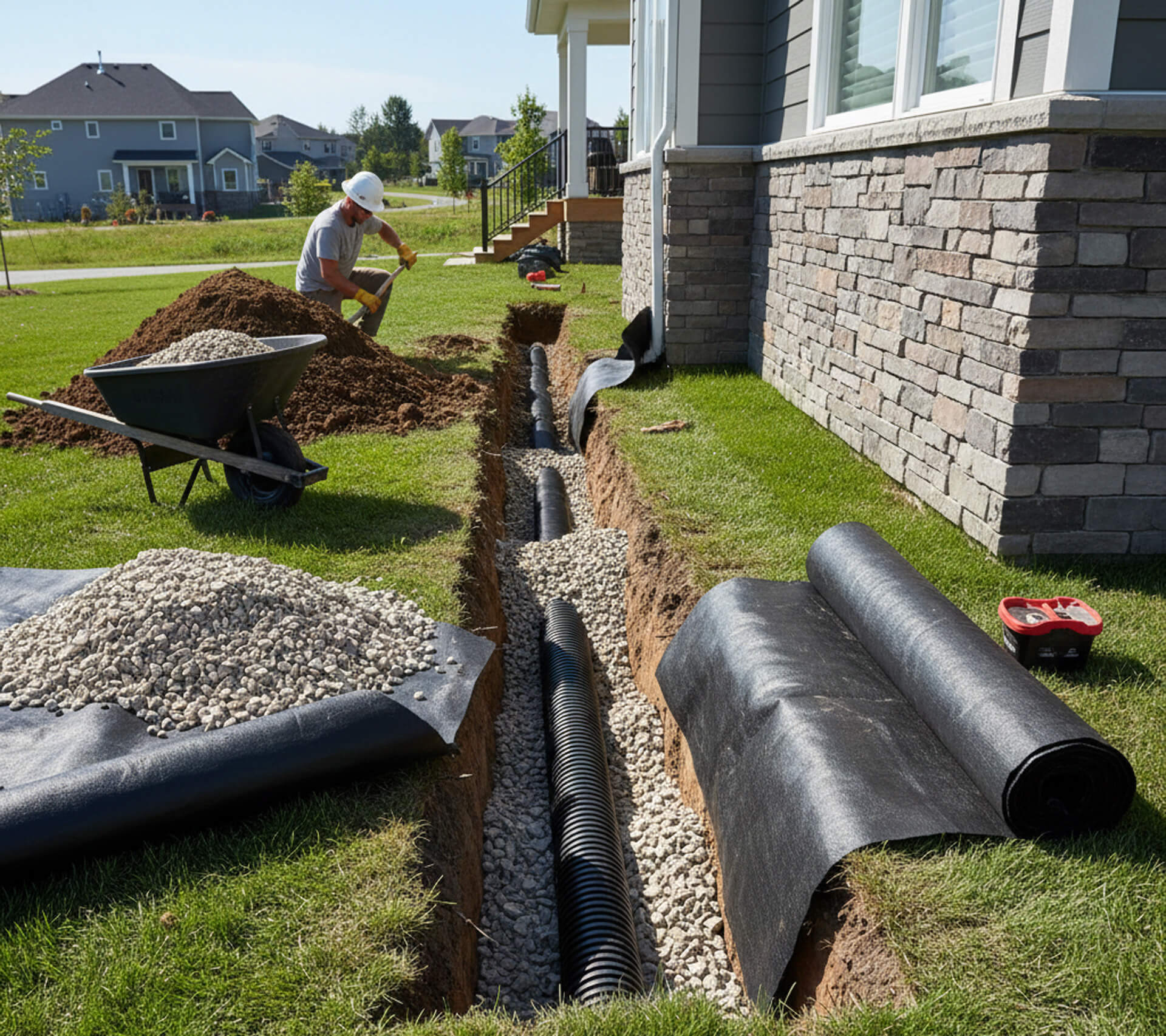
The steps for French drain installation include assessing the drainage area, marking the layout, digging a trench, adding gravel, placing the perforated pipe, and covering it with soil. Proper installation ensures effective water management and prevents yard flooding.
How long does French drain installation take?
The duration of French drain installation typically ranges from one to three days, depending on the complexity of the project and the size of the area being addressed.
What materials are needed for French drains?
The materials needed for French drains include perforated drainage pipe, gravel or rock, landscape fabric, and soil. These components work together to effectively redirect water away from problem areas in your yard.
Can I install a French drain myself?
Can I Install a French Drain Myself?
Installing a French drain yourself is possible, but it requires careful planning, proper tools, and knowledge of drainage systems to ensure effectiveness and compliance with local regulations.
What are the benefits of French drains?
The benefits of French drains include effective water management, prevention of yard flooding, and protection of your home's foundation. They enhance landscape health by directing excess water away, ensuring a dry and usable outdoor space.
How do French drains work in yards?
French drains work in yards by directing water away from problem areas through a trench filled with gravel and a perforated pipe. This system collects excess water, preventing flooding and protecting your landscape from water damage.
What issues do French drains solve?
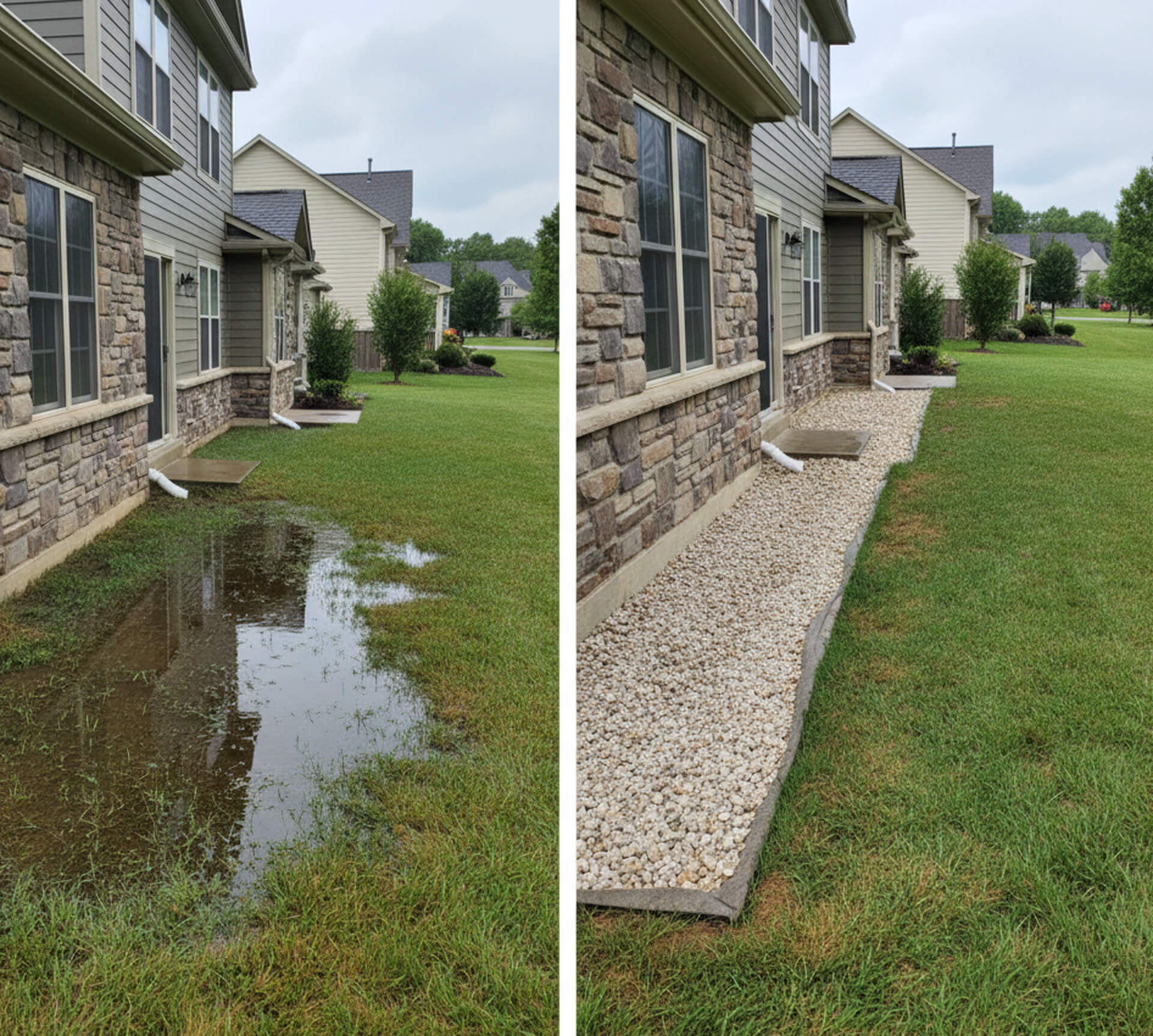
French drains solve issues related to poor yard drainage by redirecting excess water away from your property, preventing flooding, soil erosion, and water pooling, ultimately protecting your landscape and foundation from damage.
How deep should a French drain be?
The depth of a French drain should typically be at least 6 to 8 inches, depending on the specific drainage needs and soil conditions. This depth ensures effective water diversion and prevents yard flooding.
What is the cost of French drain installation?
The cost of French drain installation varies based on factors like yard size, soil type, and accessibility. On average, homeowners can expect to pay between $1,500 and $5,000 for a professional installation.
Are French drains effective in heavy rain?
French drains are highly effective in heavy rain. They efficiently redirect excess water away from your property, preventing flooding and water accumulation in your yard.
How to maintain a French drain system?
How to Maintain a French Drain System:
Maintaining a French drain system involves regularly checking for debris, ensuring the outlet is clear, and inspecting the gravel and pipes for blockages. Periodic cleaning and monitoring help ensure optimal performance and prevent water accumulation.
What are common problems with French drains?
Common problems with French drains include clogging due to sediment buildup, improper installation leading to inadequate drainage, and damage from freezing temperatures. Regular maintenance and correct placement are essential to ensure optimal performance.
How to choose a French drain contractor?
Choosing a French drain contractor involves evaluating their experience, customer reviews, and credentials. Look for licensed professionals who specialize in drainage solutions and provide detailed estimates to ensure quality work and reliable service.
What permits are needed for French drain installation?
Permits Needed for French Drain Installation: Permits for French drain installation typically depend on local regulations. It's essential to check with your local municipality to determine if a permit is required for drainage work on your property.
Can French drains prevent basement flooding?
French drains can effectively prevent basement flooding. By redirecting excess water away from your foundation, they help manage drainage issues and reduce the risk of water accumulation in basements during heavy rainfall.
What is the best location for a French drain?
The best location for a French drain is typically along the perimeter of your yard or in areas where water tends to collect, ensuring effective drainage away from your foundation and preventing water damage.
How to ensure proper drainage with French drains?
How to Ensure Proper Drainage with French Drains:
To ensure proper drainage with French drains, it's essential to install them at the correct depth and slope, use appropriate gravel for filtration, and maintain clear outlets to prevent clogging.
What is the difference between French drains and sump pumps?
The difference between French drains and sump pumps lies in their functionality: French drains redirect surface and groundwater away from areas, while sump pumps actively remove accumulated water from basements or low-lying spaces to prevent flooding.
How to troubleshoot a clogged French drain?
Troubleshooting a clogged French drain involves several steps: first, check for visible blockages at the surface, then use a plumber's snake or high-pressure water jet to clear any obstructions in the pipe. Regular maintenance can help prevent future issues.
What landscaping considerations are there for French drains?
Landscaping considerations for French drains include proper placement to direct water away from structures, ensuring adequate slope for effective drainage, and integrating the drain system with existing landscape features to maintain aesthetic appeal.
How do I know if I need a French drain?
Determining if you need a French drain involves assessing your yard for signs of poor drainage, such as pooling water, soggy soil, or frequent flooding. If these issues persist, a French drain may be an effective solution.
What are the signs of poor yard drainage?
The signs of poor yard drainage include standing water, muddy areas, and water pooling after rain. Additionally, you may notice erosion, mold growth, or damaged plants, indicating that proper drainage solutions are needed.
How do French drains affect property value?
French drains can significantly enhance property value by preventing water damage and soil erosion, which are common concerns for homebuyers. Effective drainage solutions create a healthier, more attractive landscape, making your property more appealing in the real estate market.
What is the lifespan of a French drain?
The lifespan of a French drain typically ranges from 30 to 40 years, depending on factors such as installation quality, maintenance, and soil conditions. Proper care can significantly extend its effectiveness over time.
Can French drains be installed in winter?
Can French Drains Be Installed in Winter?
French drains can indeed be installed in winter, though the process may be affected by frozen ground conditions. Proper techniques and equipment ensure effective installation even in colder weather.
What are the alternatives to French drains?
The alternatives to French drains include surface drainage systems, dry wells, and channel drains. Each option can effectively manage water runoff and alleviate drainage issues depending on your yard's specific needs and layout.
How to integrate French drains into landscaping?
Integrating French drains into landscaping involves strategically placing them in areas where water tends to accumulate, ensuring proper grading and drainage away from structures while blending them with the existing landscape features for aesthetic appeal.
What is the best slope for a French drain?
The best slope for a French drain is typically 1% to 2%, meaning a drop of 1 to 2 inches for every 10 feet of drainage pipe. This gradient ensures efficient water flow away from your property.
How to prevent debris in French drains?
To prevent debris in French drains, regularly maintain the area by clearing leaves, dirt, and other materials, and consider installing a grate over the drain to block larger debris while allowing water to flow freely.