Water always finds the low spot. On a residential lot, that low spot is often right against the foundation, under a deck, or in the middle of a lawn that never seems to dry out. Grading is the work that decides where the low spot ends up, and slope is the detail that determines whether stormwater leaves your property or settles into it.
Altizer Landscape handles grading, drainage, and outdoor construction for homeowners in Richmond, Mechanicsville, Hanover, Henrico, and Richmond City. In this article, the focus is on the part of grading homeowners ask about most: why the pitch of the ground matters so much, and what happens when it is wrong.
What Grading Actually Does
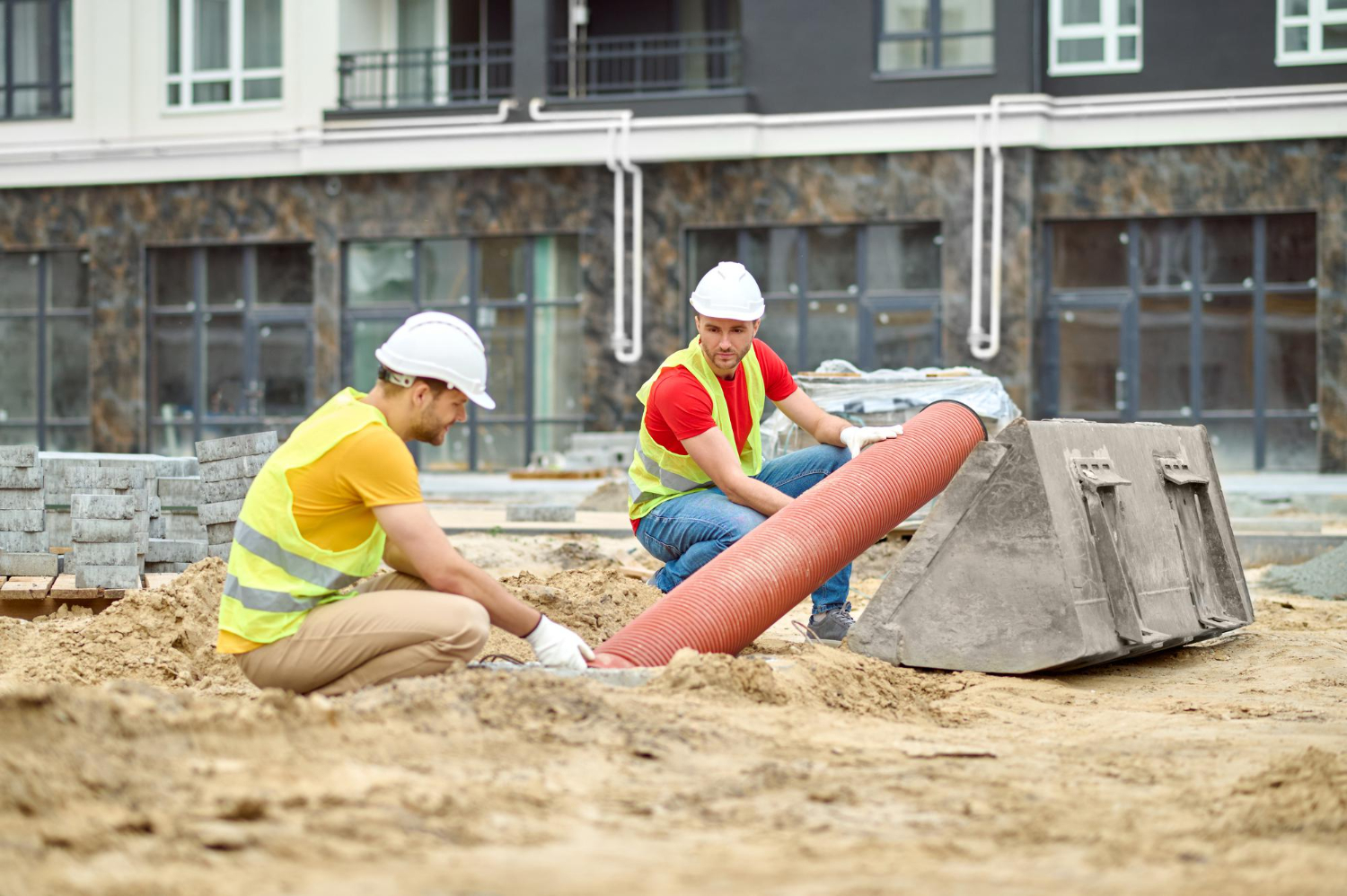
Grading is the process of reshaping the surface of a property so it drains and functions the way it should. It is not the same as tilling a flower bed or spreading a few yards of topsoil. Grading moves soil, and the equipment involved is often the same equipment used for excavation and site work, including backhoes, skid steers, and compact excavators.
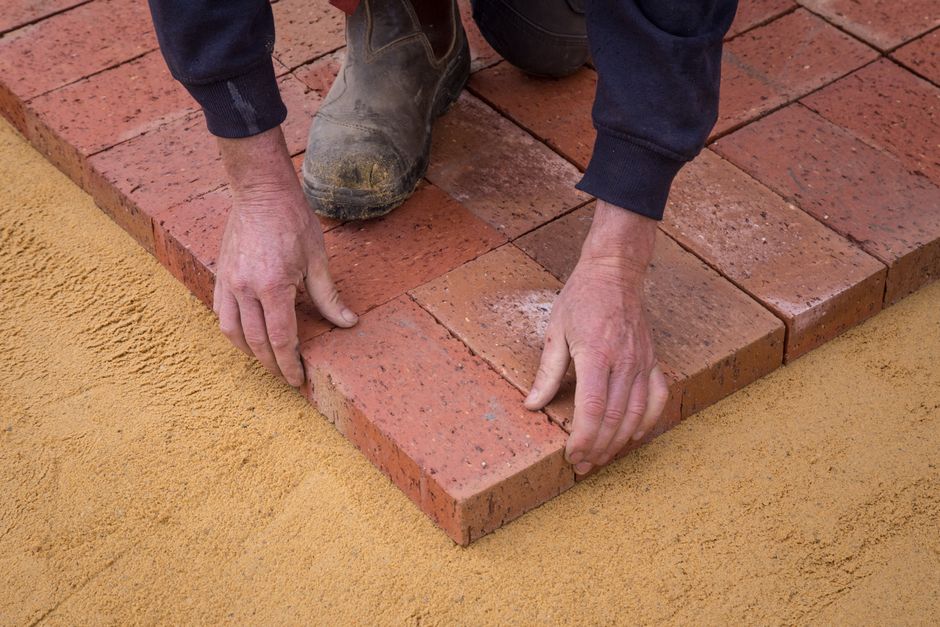
In the Richmond area, grading contractors commonly pair this work with land clearing, tree removal, excavation, and hardscape installation, because a patio, walkway, gravel driveway, or retaining wall only performs as well as the ground underneath it. Grading services generally serve three related goals:
- Moving water away from structures instead of toward them
- Creating usable, even areas for lawns, play space, patios, and driveways
- Preparing a site so seed, sod, or hardscape sits on a stable base
Those goals overlap. A yard that sheds water well is usually also a yard that is easy to mow, plant, and enjoy.
Why Slope Matters More Than Most Homeowners Realize
Slope is the single variable that decides whether a yard drains or holds water. A property graded correctly sheds rainfall toward a planned exit point, such as a swale, a drainage ditch, a dry well, or the street. A property graded flat, or graded slightly toward the house, sends that same water into the foundation, the crawlspace, or the lowest corner of the lot.
Drainage problems rarely announce themselves all at once. They build over seasons, which is why slope is easy to ignore until the damage is visible.
Water Has to Go Somewhere
Roof runoff is concentrated at the downspouts. If the ground around those downspouts slopes back toward the house, the water pools exactly where you do not want it. Correct grading gives each downspout a downhill path to a discharge point, and downspout extensions or splash blocks can carry water past the immediate foundation zone. The goal is a continuous fall from the structure to the exit point, with no dips or reverse pitches along the way.
Foundation and Crawlspace Protection
Water that sits against a foundation keeps the surrounding soil saturated. That saturation creates pressure against the wall, softens the soil that supports footings, and pushes moisture into crawlspaces and basements. A damp crawlspace invites musty odors, wood rot, and pest problems. Correcting the slope early is almost always less involved than repairing the structural damage that long-term saturation can cause. If you already see cracking or movement, bring in the appropriate licensed professional to evaluate the structure itself, not just the soil.
Erosion and Soil Loss
Slope that is too steep is a problem too. Fast-moving water strips topsoil, carves gullies, and exposes roots and hard subsoil. Bare, compacted ground makes it worse, since there is nothing to slow the water down. Erosion control, whether that means mulch, groundcover, terraces, or a retaining wall, usually belongs in the same conversation as grading rather than being treated as a separate fix.
Lawn and Plant Health
Turf roots need air as much as water. In a low pocket where water stands for days, roots suffocate, moss and weeds move in, and even a healthy fertilization and mowing schedule will not fix the underlying issue. Plants installed in a wet depression tend to fail within a season or two. Fixing the slope first gives everything else on the property a chance to work.
Signs Your Yard Has a Slope Problem
Not every drainage issue requires major earthwork, but the symptoms below are worth a professional evaluation:
- Water pooling against the foundation after storms
- A damp crawlspace or a musty smell on the lowest level
- Bare patches, gullies, or exposed roots on a slope
- A lawn that stays spongy days after rain
- Mud splatter or sediment lines on siding, fencing, or mulch beds
- Sinking or settling near a patio, walkway, or gravel driveway
- Downspouts emptying into a spot that never dries out
Grading, Resloping, and Leveling: What the Terms Mean
Contractors use these words in slightly different ways, and directory listings around Richmond group terms like landscape grading and resloping together with yard leveling. The table below explains the general distinction so you can describe your problem clearly when you request an estimate.
| Term | What it involves | Typical use |
|---|---|---|
| Grading | Shaping the overall surface of a lot to control how water moves | New construction, full yard renovations, drainage corrections |
| Resloping | Adjusting the pitch of an existing slope, often near a foundation or property line | Yards that drain toward the house or a neighbor |
| Leveling | Removing small high and low spots so a surface is even | Lawns, play areas, prep before sod or seed |
| Drainage correction | Combining new contours with drains and outlets | Chronic wet spots that grading alone will not solve |
How Grading Works With Drainage Solutions
Grading rarely solves everything on its own. Properties with large driveways, patio coverage, or heavy runoff often need grading paired with French drains, catch basins, dry wells, or erosion control measures. The slope handles surface water and directs it to the right place. The drain handles water that collects below the surface or arrives faster than the ground can absorb it.
Doing one without the other tends to leave homeowners with the same wet basement or soggy lawn after the next heavy storm. A contractor who evaluates the whole path of the water, from the roof to the discharge point, will usually recommend a combination rather than a single treatment.
What a Grading Project Looks Like
- Walkthrough and water evaluation: identifying where water enters, where it collects, and where it can reasonably exit the property.
- Plan and estimate: mapping elevations, deciding how much soil moves and where it goes, and reviewing utility locations before any equipment moves.
- Rough grading: moving and shaping soil with excavation equipment.
- Fine grading: setting the final pitch, compacting, and smoothing the surface.
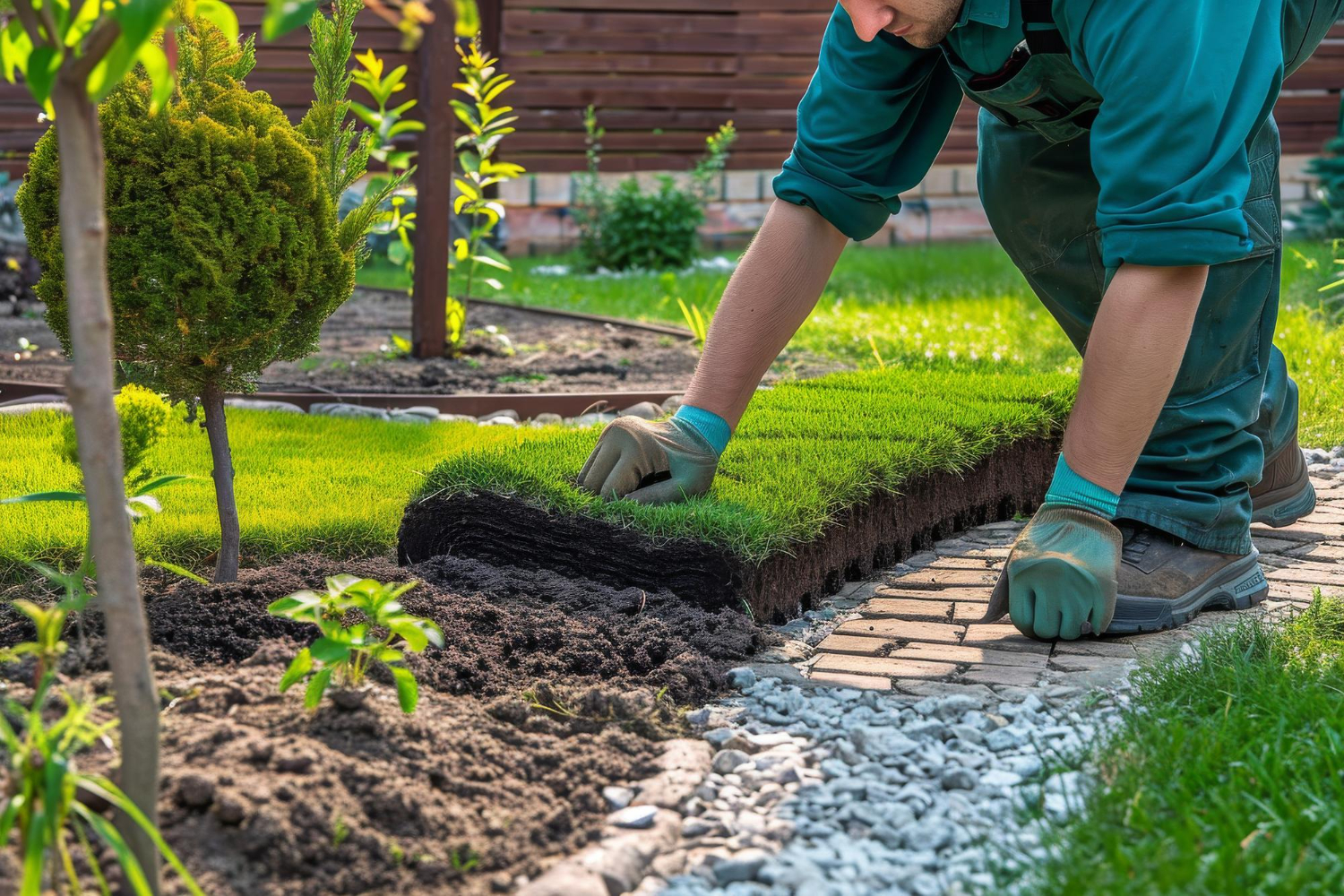
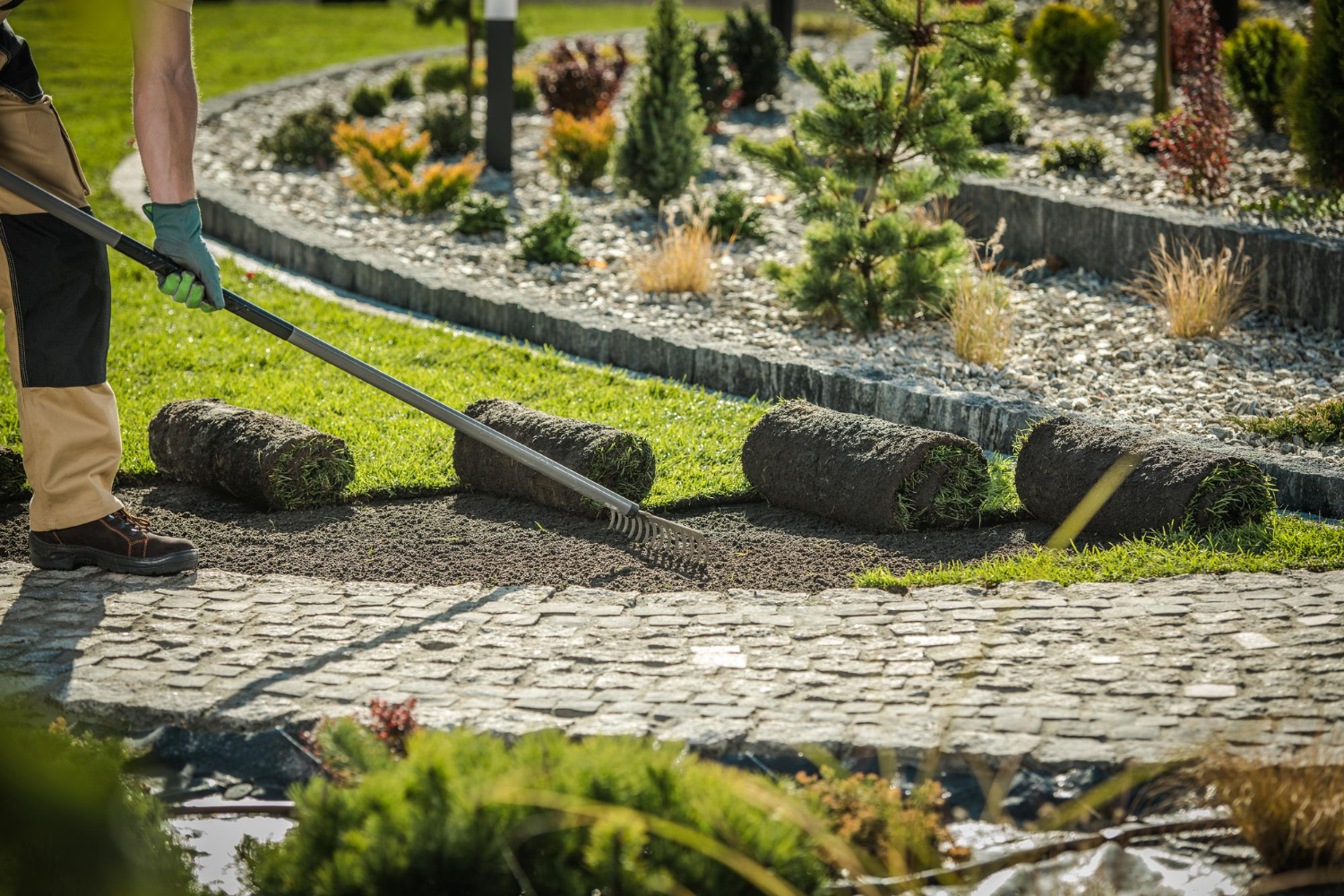
- Restoration: seeding, sod, straw, mulch, or hardscape to stabilize the new surface.
Ask for the plan in writing. A clear estimate should explain where water will go after the work is done, not just how many yards of dirt will be moved.
Getting Your Property Ready
Grading is disruptive by nature. Before work starts, move vehicles out of the way, relocate anything breakable from the work zone, and flag plants you intend to keep. Gates, fences, and driveway widths matter, because equipment needs access. Expect some mud and dust while the soil is exposed, and plan to keep pets and children clear of the work area during operating hours. If seeding is part of the job, plan to water the new surface consistently until it establishes.
Choosing a Grading Contractor in Richmond
Third-party directories such as Thumbtack and Yelp list landscape grading and resloping contractors around Richmond, and a statewide construction directory lists hundreds of grading companies across Virginia. Volume of listings is not the same as fit. A few questions separate a dirt-moving crew from a drainage contractor:
- Are you licensed and insured, and can you provide proof?
- Do you diagnose where the water comes from, or only reshape the ground?
- Will the estimate explain elevations and the planned discharge point?
- How will the surface be stabilized afterward?
- What do you guarantee, and for how long?
Altizer Landscape is family owned, licensed, and insured, with owner-led service and free estimates for homeowners in the Richmond metro area. Permit requirements for grading vary by locality and project type, so confirm those details with your local building department before work begins. If your property involves a steep slope, a waterway, or a shared property line, verification up front saves rework later.
Frequently Asked Questions
How do I know if my yard needs grading?
The clearest signs are water pooling against the foundation, a damp or musty crawlspace, eroded gullies on a slope, and turf that stays spongy for days after rain. If you notice any of those repeatedly across seasons, have the yard evaluated. Small corrections are usually simpler before water has had years to work on the soil and structure.
Can grading alone fix a wet yard?
Sometimes, but not always. Grading redirects surface water, which solves many minor pooling problems. Properties with heavy runoff, compacted soil, or a high water table often need drains as well, such as a French drain or catch basin. A contractor should evaluate the full path of the water before recommending a single solution.
How long does a grading project take?
Timelines depend on the size of the area, equipment access, soil conditions, and weather. A small regrade around a foundation moves quickly, while a full lot reshaping with drainage takes considerably longer. Ask your contractor for a realistic schedule in writing, and build in a buffer for rain delays that keep equipment off soft ground.
When is the best time of year for grading and seeding?
Grading can generally be done through much of the year as long as the ground is not frozen or saturated. Seeding and sod have narrower windows, and results depend heavily on moisture and temperature. Ask your contractor about timing so the final surface stabilizes before the next heavy rain season.
Conclusion
Proper grading is more than moving soil around your yard. The right slope helps direct stormwater away from your foundation, reduces pooling and erosion, and creates a more stable surface for lawns, patios, driveways, and other outdoor spaces. If your Richmond property has standing water, soggy lawn areas, erosion, or drainage problems after rain, the underlying slope may need attention. Altizer Lawn & Landscape can evaluate your property, identify how water is moving, and recommend the right grading or drainage solution. Contact Altizer Lawn & Landscape today to discuss your grading needs and take the first step toward a healthier, better-draining yard.