Knowing when to lay sod in Richmond VA comes down to grass type. Fescue sod can go down most of the year, except during peak summer heat and on frozen ground. Bermuda and zoysia sod belong in the warm months, from late spring into early autumn.
Key takeaways
- Fescue is the most common sod in the Richmond area. It does well in every season but the hottest weeks.
- Bermuda and zoysia sod belong in the warm months only.
- Frozen ground is the winter limit for any sod.
- Above 80 F, new sod needs water every day until it roots.
- Tug a corner at seven days. If it resists, roots are taking hold.
In this guide
- The Short Answer: When to Lay Sod in Richmond
- Best Months by Grass Type: Fescue, Bermuda and Zoysia
- How Richmond’s Heat and Clay Soil Change the Timing
- How to Tell When New Sod Has Rooted
- Planning Your Richmond Sod Job
The Short Answer: When to Lay Sod in Richmond
Fescue sod can be laid most of the year in Richmond, while bermuda and zoysia need the warm months. That split answers most questions about sod timing around Richmond.
Virginia Cooperative Extension, part of Virginia Tech, says in its sod guide: "Sod can be installed just about any time of year as long as the soil is not frozen (for winter installations) and irrigation is available" (publication 418-040).
Our schedule follows that sod guide, with one firm exception.
Britt’s rule of thumb: Fescue Sod is easily installed all year, but we avoid the heat of the summer. Bermuda and zoysia are generally done in the warmer months only.
Fescue can survive a summer install, but it asks a lot of the homeowner and the hose.
Grass type matters because Central Virginia sits in a middle climate zone between the South and the North. It is warm enough for some warm-season grasses and cool enough for cool-season grasses. Fescue and Kentucky bluegrass are cool-season types. Bermuda and zoysia are warm-season grasses. Each one roots best when the weather suits it.
Best Months by Grass Type: Fescue, Bermuda and Zoysia
The best month depends on the grass. Fescue is the most common grass we install in the Richmond area. We install zoysia and bermuda less often.
Sod timing in Richmond by grass type
| Grass type | Good months | Avoid or use extra care | What to watch |
|---|---|---|---|
| Fescue | Most months of the year | Extra care in the hottest weeks; no installs on frozen ground | Water daily when temperatures run above 80 F |
| Bermuda | Late spring into early autumn only | Late fall, winter and early spring | Warm-season grass; plan the job for warm weather |
| Zoysia | Late spring into early autumn only | Late fall, winter and early spring | Warm-season grass; plan the job for warm weather |
Our advice for warm-season sod is simple. Plan bermuda and zoysia jobs between late spring and early fall. These grasses grow hard in heat and slow down when it turns cool, and sod laid in the cold months has little chance to root before it goes dormant. They still need steady water at first, and the daily rule above 80 F applies to them too. If you are planning in late fall or winter, use the cool months for grading and soil work so the yard is ready in late spring.
Tall fescue sod does well in all seasons except the peak of summer. It is a cool-season grass, so it grows roots best when days are mild. Spring and early fall are the easiest times. Winter works too, as long as the ground is not frozen.
Some fescue sod blends also include Kentucky bluegrass. Those blends follow the same calendar.
Summer is the season we steer around. Hot days dry the thin root zone fast. That means daily watering above 80 F until the roots grab the soil. If you must lay fescue in July, plan for that time each day before the sod arrives.
For fall jobs, aim early in the season. The extension warns that late installs risk poor root growth before cold weather. Early fall gives roots weeks of mild weather to settle into Richmond clay.
How Richmond’s Heat and Clay Soil Change the Timing
Richmond’s humid summers and heavy clay soil shape sod timing more than anything else. Generic planting charts skip both.
Heat first. Virginia Cooperative Extension says that above 80 F, new sod should be watered daily until it is well rooted. In a Richmond July, that can mean weeks of daily watering. Hot, humid summers are why we schedule fescue sod installation around the hottest stretch when we can.
Clay soil comes next. Clay holds water. After a heavy rain it can stay soggy for days. In a heat wave it can dry hard and crack. Check the soil before you trust the calendar. If it smears like putty, it is too wet to work. If it is baked hard, loosen and water it first.
Fall has its own limit. The extension notes that late installs risk poor root growth before cold weather. Schedule fall fescue jobs early enough for roots to grow.
Typical scenario
A homeowner in Henrico wants new grass by midsummer. The yard is clay, and a recent storm left wet patches. We talk through waiting for cooler weather or committing to daily watering. Then we plan the soil work around how wet the ground is.
How to Tell When New Sod Has Rooted
New sod has rooted when a corner resists a gentle tug, starting seven days after install. Root speed changes from job to job. That is why we lean on the tug test, not a set number of weeks.
The Seven-Day Tug Test
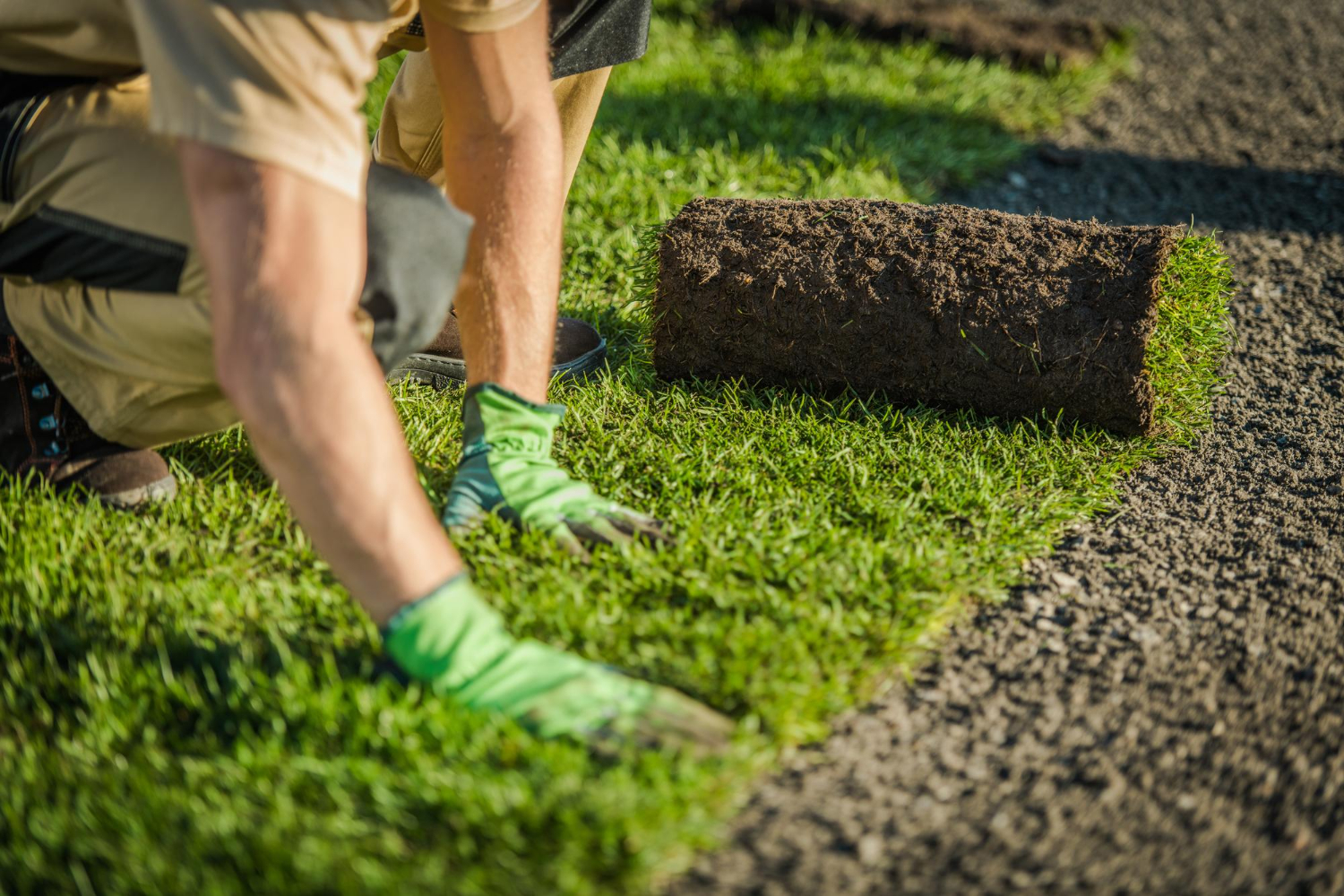
Virginia Cooperative Extension suggests a simple check. Seven days after installation, gently tug on a corner of the sod. Resistance means roots are taking hold. If the piece lifts easily, keep watering and test again in a few days.
Here is how to do it:
- Pinch a corner between your fingers.
- Lift slowly and feel for grip. You are not trying to tear it.
- Check a few spots across the yard. Sun and shade can root at different speeds.
- Test the seams and edges too. They dry fastest and may lag behind.
Keep foot traffic light until the corners hold. In a yard with a shady side by the house, the sunny front may pass days before the back does.
Watering Until the Sod Is Rooted
In hot weather above 80 F, water daily until the sod is well rooted. The water needs to soak through the sod and into the soil below. Lift a corner after watering. The soil under it should be damp, not dry or muddy.
On Richmond clay, watch for puddles. Clay can hold too much water as easily as too little. If water stands on the surface, cut back and let the ground drain. Low spots that stay wet may point to a grading problem.
Edges and seams dry first, especially next to driveways and sidewalks that heat up in the sun. Give those strips a little extra water.
Britt’s advice: get the sod down fast. Most of our projects are cut early in the morning and installed the same day. Sod left on a pallet heats up and dries out. For a full schedule, see our guide on how to water a new lawn in Richmond.
Begin mowing as soon as the sod is rooted, per the extension. Mowing loose sod can shift pieces and open gaps at the seams.
Once a corner holds firm, set a sharp mower blade high for the first cut. Let the surface dry first so wheels don’t sink into soft clay.
Planning Your Richmond Sod Job
The best time to put down sod in Richmond depends on your grass and your soil. A good sod installation starts with the right grass for the right month. Then comes soil preparation before the first roll goes down.
At Altizer Lawn & Landscape, we start by walking your property. Drainage is the big one. Water that pools in low spots will drown new sod, so we deal with it first. That can mean excavation and grading or French drain installation.
Next comes soil preparation. Here is the order we follow:
- Clear debris and loosen the clay.
- Work in organic matter where it helps.
- Fill low spots and grade the surface smooth.
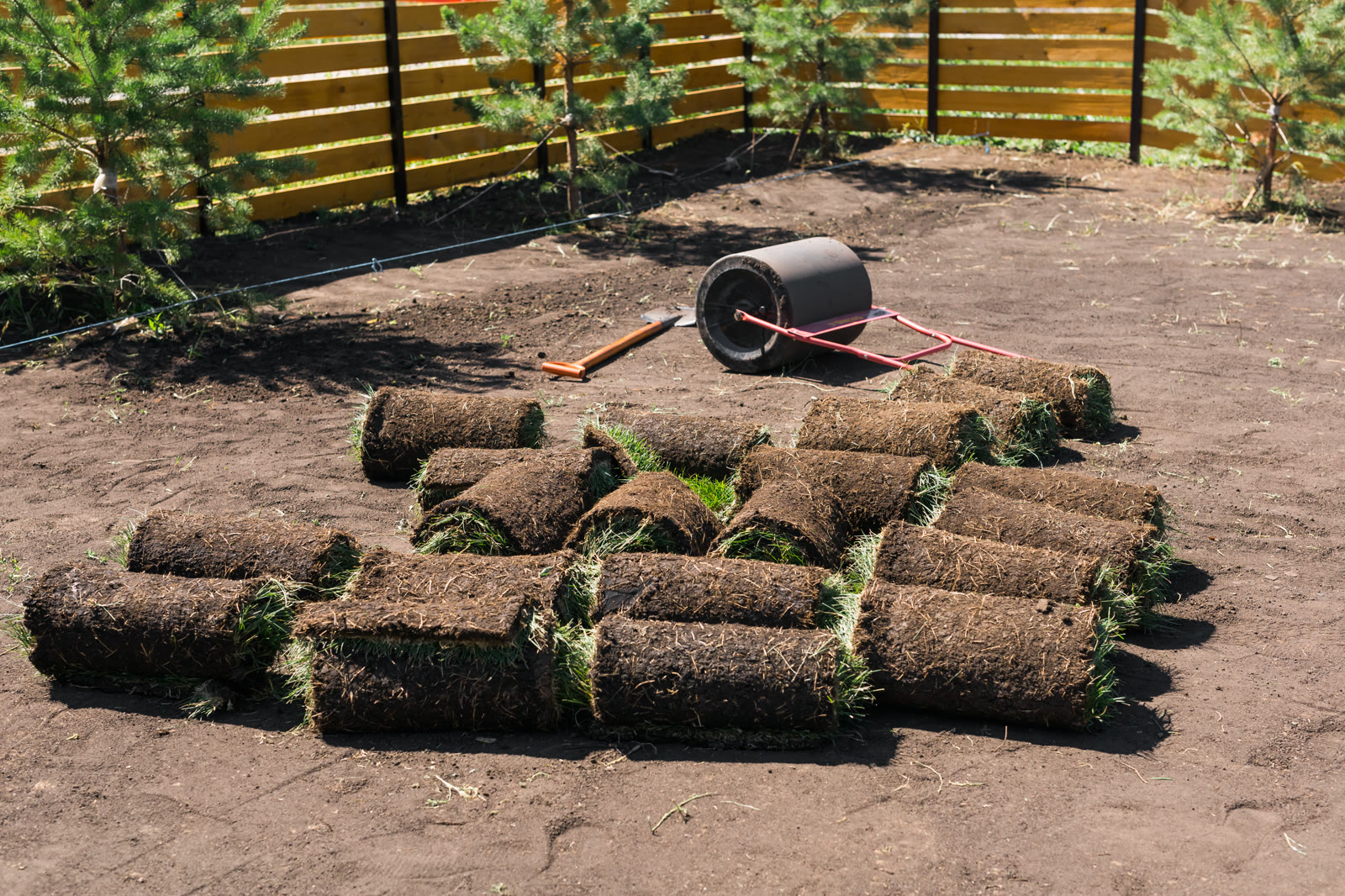
- Install sod that was cut early that same day.
- Explain watering and the tug test so you know what to watch.
Our sod installation service covers Richmond and nearby areas in Henrico and Hanover County. We hold a Va. DPOR Contractors license, and estimates are free. To learn more, visit our Sod Installation page or read our sod vs. seed guide.
Contact us today. Call (804) 661-3630 or request a free quote online.
Frequently Asked Questions
What month is best to lay sod?
It depends on the grass you choose. In Richmond, fescue sod does well in most months, so spring and early fall are easy choices. Avoid the hottest weeks of summer and frozen ground in winter. Bermuda and zoysia sod should go down from late spring through early fall, when warm weather helps them root.
When should you lay sod in Virginia?
Virginia Cooperative Extension’s sod guide says sod can go in just about any time of year. The soil must not be frozen, and you need a way to water. Around Richmond, fescue fits most seasons, while bermuda and zoysia need warm weather.
Can you lay sod in the summer in Richmond?
Yes, but fescue needs extra care in summer heat. Richmond has hot, humid summers, so plan to water daily above 80 F until it roots. That can mean weeks of daily watering in July. Bermuda and zoysia handle summer installs better than fescue does, since they grow hard in heat.
Can you lay sod in winter in Virginia?
Fescue sod can go down in winter as long as the ground is not frozen. Roots cannot reach soil that is frozen solid. Wait for a mild stretch and check that the soil is workable. Bermuda and zoysia are warm-season grasses, so they should wait for late spring.
Can I just lay sod over dirt?
Sod needs prepared soil, not bare dirt. Loosen the soil first and grade it so water does not pool. Richmond clay packs hard, so working in organic matter helps roots grow. Altizer Lawn & Landscape clears debris, loosens the clay and fills low spots before the first roll goes down.
What grass grows best in Richmond, VA?
Tall fescue is the most common sod we install around Richmond. Like Kentucky bluegrass, it is one of the cool-season grasses. It does well except in the hottest weeks. Zoysia and bermuda also grow here and suit sunny yards installed in warm months.