Richmond summers bring high temperatures and occasional dry spells that can stress cool-season grasses like tall fescue, bluegrass, and ryegrass. Without the right care, lawns can turn brown, develop disease, or struggle to recover by fall. Fortunately, with a few targeted practices, homeowners in the Richmond area can maintain a healthy, green lawn through the hottest months. This guide covers essential summer lawn care tips tailored to Richmond’s local conditions, plus an overview of professional services available to support your lawn.
Mowing Tall: The Single Most Important Summer Practice
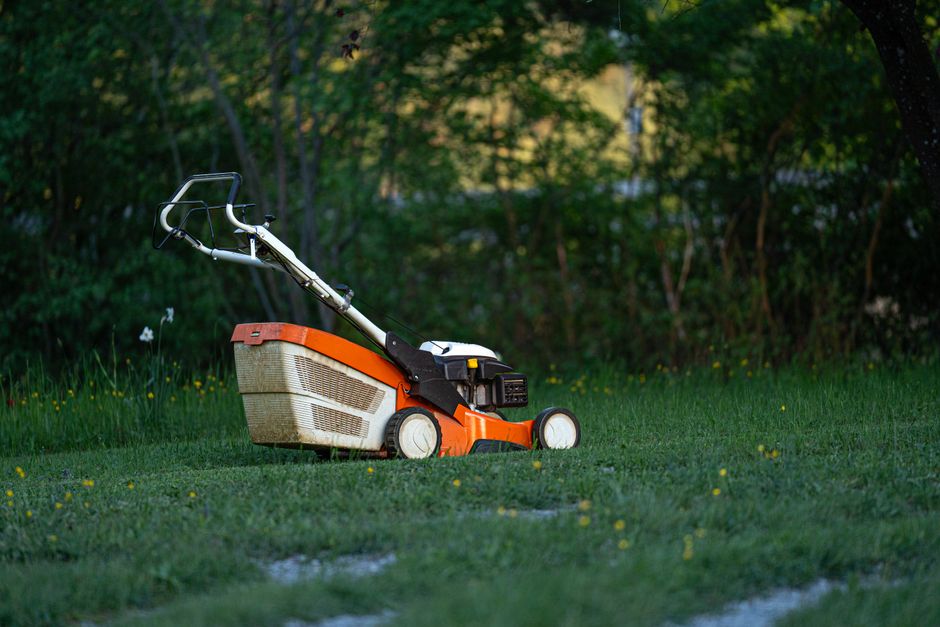
During summer, the best thing you can do for your cool-season grass is raise your mower deck. For lawns dominated by tall fescue, which is common in Richmond, the recommended mowing height during summer is 4 to 4.5 inches. This taller height shades the soil, reduces evaporation, and encourages deeper root growth. Deeper roots help grass access moisture and nutrients lower in the soil profile, making it more drought-tolerant.
Another critical rule is to never cut more than one-third of the grass blade at a single mowing. Removing more than that shocks the plant and forces it to use stored energy to regrow, which weakens it during a stressful season. If your grass has grown longer than usual, gradually lower the height over several mowings rather than taking off too much at once.
Leave the Clippings on the Lawn
Bagging grass clippings removes valuable nutrients. Clippings decompose quickly and return nitrogen, potassium, and other nutrients to the soil. This natural recycling can reduce the amount of fertilizer you need during summer. Leaving clippings on the lawn also helps retain soil moisture. The Virginia Department of Conservation and Recreation recommends this practice for cool-season grasses in summer.
Watering Deeply and on Schedule
Proper watering is the second pillar of summer lawn care in Richmond. Because Richmond soil is mostly sandy loam consisting of about 57% sand, 32% silt, and 10% clay, it drains relatively quickly. This means shallow, frequent watering leads to runoff and encourages shallow roots. Instead, water deeply and infrequently. A general guideline is to provide 1 to 2 inches of water per week, including rainfall. Adjust this amount based on actual weather conditions, as a week with significant rain may require no supplemental watering at all.
Best Time to Water
Water early in the morning between 4 am and 7 am. This timing reduces water loss from evaporation, gives grass blades time to dry during the day, and minimizes the risk of fungal diseases. Watering in the afternoon wastes water due to high evaporation, while watering at night leaves grass wet for extended periods, which can lead to disease outbreaks. Aim for about three watering sessions per week to deliver the weekly total, rather than watering a little bit every day.
Fertilization and Weed Control During Summer
Summer is not the time for heavy nitrogen fertilization on cool-season grasses. Applying high-nitrogen fertilizer during hot weather can burn the grass and promote disease. Instead, focus on a balanced approach. Many local lawn care programs, such as the 11-step Masters Program offered by Turf Professors, include summer fungicide applications as part of their schedule. For those managing their own lawn, consider a light application of slow-release organic fertilizer if the lawn shows signs of nutrient deficiency.
Weed control in summer requires careful product selection. Many broadleaf weed killers are less effective or can harm grass during extreme heat. Spot-treating stubborn weeds with a post-emergent herbicide labeled for summer use is safer than blanket spraying. Always follow label instructions and avoid treating weeds when temperatures exceed 85 degrees Fahrenheit.
Recognizing Lawn Stress and Disease
Knowing what a stressed lawn looks like allows you to act quickly. Common signs of distress include browning, a blue-gray or purple haze across the blades, and brown jagged tips on individual grass leaves. These symptoms often indicate that the lawn is not getting enough water, is suffering from heat stress, or is developing a fungal disease. Brown patch and dollar spot are common summer lawn diseases in Richmond. If you notice irregular brown patches that expand rapidly, especially during humid weather, a fungicide application may be necessary.
Professional Summer Lawn Care Services in Richmond
Many Richmond homeowners choose to hire a professional lawn care company to handle the complexities of summer maintenance. Options range from full-service programs that include mowing, fertilization, and disease prevention to DIY solutions that provide customized products and guidance. Below is a summary of local service offerings based on publicly available information.
| Service Provider | Service Type | Key Features |
|---|---|---|
| Turf Professors | Full-service program | 11-step Masters Program with summer fungicide applications included; local expertise |
| Virginia Green | Full-service program | Fertilization, weed control, and pest management tailored to Richmond |
| Greener Creations | Full-service program | Soil-first approach with grub and armyworm control included |
| NaturaLawn | Organic full-service | Eco-friendly, organic treatments for Richmond lawns |
| TruGreen | Full-service program | Special pricing for first two services with code SUMMER; national company with local presence |
| LawnStarter | A la carte services | Mowing, trimming, edging, fertilization, aeration, and more starting at $19 |
| Sunday Lawn Care | DIY liquid plan | Custom plans based on local soil data; includes free soil test; ships products to your door |
When selecting a service, compare what is included in the base price. Some programs, like Turf Professors’ Masters Program, explicitly include summer fungicide applications, while others may charge extra for disease control. If you prefer an organic approach, NaturaLawn offers treatments that use natural ingredients. For homeowners who like to manage their own lawn but want data-driven product recommendations, Sunday provides a soil test and custom fertilization schedule.
Local Soil Conditions and Grass Types
Richmond’s soil is primarily sandy loam with a slightly acidic pH typically around 6.0. Based on an analysis of 500 local soil tests, the average lawn size in Richmond is 4,399 square feet. This soil type drains well but also loses nutrients more quickly than heavier soils. Regular soil testing can help you understand your lawn’s specific needs. A simple test will reveal pH, nutrient levels, and organic matter content. If your pH is below 6.0, adding lime in the fall can help raise it to the optimal range for cool-season grasses. For summer, however, avoid lime applications unless a recent test indicates a need.
Tall fescue is the most common grass type in Richmond, followed by bluegrass and ryegrass. These cool-season varieties grow most actively in spring and fall, so summer is primarily about survival, not growth. By following the mowing, watering, and fertilization practices outlined here, you help your grass conserve energy and stay alive until cooler weather returns.

Final Thoughts on Summer Lawn Care in Richmond
Summer lawn care in Richmond does not have to be complicated. Raise your mower deck to 4 to 4.5 inches, water deeply two to three times weekly in the early morning, leave clippings on the lawn, and avoid heavy nitrogen fertilizers during the hottest months. Watch for signs of stress such as browning or a blue-gray haze, and address fungal issues promptly with appropriate treatments. Whether you handle these tasks yourself or partner with a local professional service, consistent attention to these fundamentals will keep your lawn healthy through the Richmond summer heat.
Frequently Asked Questions
How often should I water my lawn during a Richmond summer?
Water deeply about three times per week, providing a total of 1 to 2 inches of water including rainfall. Always water between 4 am and 7 am to reduce evaporation and disease risk. Shallow daily watering encourages weak roots and should be avoided.
What height should I set my mower for tall fescue in summer?
Set your mower to cut at 4 to 4.5 inches. This taller height shades the soil, reduces water loss, and promotes deeper root growth. Never remove more than one-third of the grass blade in a single mowing to avoid stressing the plant.
Should I bag grass clippings in summer?
No. Leave grass clippings on the lawn to decompose and return nutrients like nitrogen to the soil. Clippings also help retain moisture. The Virginia DCR recommends this practice for cool-season grasses during summer.
What are common signs of summer lawn disease in Richmond?
Look for irregular brown patches that expand rapidly, a blue-gray or purple haze on the grass blades, or brown jagged tips on individual leaves. These can indicate fungal diseases like brown patch. Early treatment with a fungicide can help prevent further damage.
Can I apply fertilizer to my lawn during hot weather?
Heavy nitrogen fertilization is not recommended during summer as it can burn the grass and promote disease. If your lawn needs nutrients, use a slow-release organic fertilizer applied lightly. Many professional programs include summer fungicide applications instead of heavy feeding.