
A full, green lawn does more than improve curb appeal. It gives families a place to play, softens the outdoor space around a home, and adds structure to a landscape design. For Richmond homeowners who want results without the long wait, sod installation is a practical choice. Locally grown sod, installed by crews who understand the region, can establish quickly in Richmond’s clay soil, humidity, and growing seasons.
Key Takeaways
- Faster results: Sod arrives as mature turf with an established root system, so a lawn is usable sooner than one grown from seed.
- Soil prep comes first: Richmond’s clay soil holds water, and correcting grade, drainage, and surface level before the turf goes down is as important as the sod itself.
- Variety matters by location: A sunny front yard and a shaded side yard may need different turf types; one variety may not suit every area of a property.
- Early watering is critical: Consistent moisture in the first few weeks helps roots make contact with the soil below and supports even establishment.
- Ask for a written scope: A quote that covers only laying sod leaves grading, drainage work, and soil prep unaccounted for; get the full scope in writing before signing.
- Local licensing matters: Altizer Lawn and Landscape holds a Va. DPOR Contractors license and employs certified pesticide, herbicide, and fertilizer applicators.
Why Sod Makes Sense for Richmond Lawns
Richmond has a climate with humid summers and seasonal temperature changes that can make establishing a healthy lawn challenging. The area’s clay soil can also retain moisture, which may make it difficult for grass seed to take root when the soil is not properly prepared. Sod provides a faster way to establish a lawn because it arrives as mature turf with an established root system.
Choosing sod that is appropriate for Central Virginia’s growing conditions can help support successful establishment. The right turf variety, combined with proper soil preparation, grading, drainage, and watering, can help create a healthier and more consistent lawn.
Professional installation adds another layer of reliability. An experienced local crew can evaluate the property’s sunlight, soil, drainage, and grade before selecting and installing the appropriate sod. Proper preparation and installation help the turf make good contact with the soil and encourage the roots to establish evenly. These considerations are especially important across Richmond, where property conditions can vary from shaded residential lots to more open, sunny yards.
Sod or Seed: Which Fits Your Richmond Yard?
Sod gives you a usable lawn in weeks. Seed takes a full season or longer to fill in. The answer depends on your timeline, your site and how much early care you can manage.
| Factor | Sod | Seed |
|---|---|---|
| Time to a usable lawn | Weeks | Often a full season or longer |
| Erosion protection | Covers bare soil right away | Soil stays exposed until the seed fills in |
| Weed pressure | Dense turf limits weeds from the start | Weeds compete with young seedlings |
| Upfront investment | Higher | Lower |
| Early watering | Frequent for the first few weeks | Frequent until germination and beyond |
Sod is usually the stronger choice for slopes, for bare ground after grading, and for yards that need a finished lawn quickly. Seeding can make sense for a thinning lawn that still has a decent base, often with our aeration and overseeding service. Our full comparison, Sod vs. Seed for Richmond VA Lawns: Which Wins?, walks through both options in detail. For the calendar side, When to Lay Sod in Richmond, VA, and How to Tell It Has Rooted covers the best months for fescue, bermuda and zoysia. Virginia Cooperative Extension’s sod guide puts it simply: "Sod can be installed just about any time of year as long as the soil is not frozen (for winter installations) and irrigation is available" (publication 418-040).
Best Time of Year to Install Sod in Richmond, VA
Timing matters more than most people expect in Richmond. Fescue sod goes in most of the year except the heat of summer, while bermuda and zoysia are laid in the warmer months. For the month-by-month picture and how long new sod takes to root in our clay soil, read When to Lay Sod in Richmond, VA, and How Long It Takes to Root.
Sod Varieties That Perform in Central Virginia
Choosing the wrong turf variety for a site’s conditions is one of the more common reasons new sod struggles. Richmond sits in a transition zone where both cool-season and warm-season grasses are used, and no single variety fits every property.
- Tall fescue is the most widely used cool-season grass in Central Virginia. It handles shade better than warm-season options and stays green through winter, but it needs consistent watering during summer heat.
- Bermudagrass is a warm-season option that tolerates heavy foot traffic and heat well. It goes dormant and turns brown in winter and performs best in full-sun areas.
- Zoysiagrass offers a dense, wear-tolerant surface and handles moderate shade better than Bermuda. It also goes dormant in winter and greens up slowly in spring.
Sun exposure, foot traffic, irrigation availability, and the homeowner’s tolerance for winter dormancy all factor into which variety makes sense for a given property. An experienced installer will assess each area of the yard separately rather than applying one variety across the entire lawn. In the Richmond area, Altizer most commonly installs fescue sod, with zoysia and bermuda installed less frequently.
Sod is a perishable product, so we schedule it to be installed close to delivery, and availability varies by season. One variety is not always the right answer for every area: a sunny front lawn and a shaded side yard may each need their own, and we walk the property with you before choosing.
The Sod Installation Process
A successful sod installation starts before the first piece of turf is placed. While every company has its own approach, the basic process follows a consistent pattern from site preparation through establishment.
Site Evaluation and Planning
The first step is understanding the yard. A professional installer will look at sun exposure, soil type, drainage patterns, and the grade of the property. This evaluation helps determine whether the site needs additional work before sod can go down. It also guides decisions about which turf variety will perform best in that specific location.
On a Richmond lot the walk-through also covers where the roof and driveway send their water, how much shade the trees throw in summer, and where the crew can get a skid steer and pallets in without cutting across a finished bed. Each of those changes the plan: a shaded side yard may call for a different turf than the sunny front, and a tight gate changes how the sod is delivered. We note it all on the free estimate so the price covers the real job.
Removing Old Grass and Weeds Before Sod Goes Down
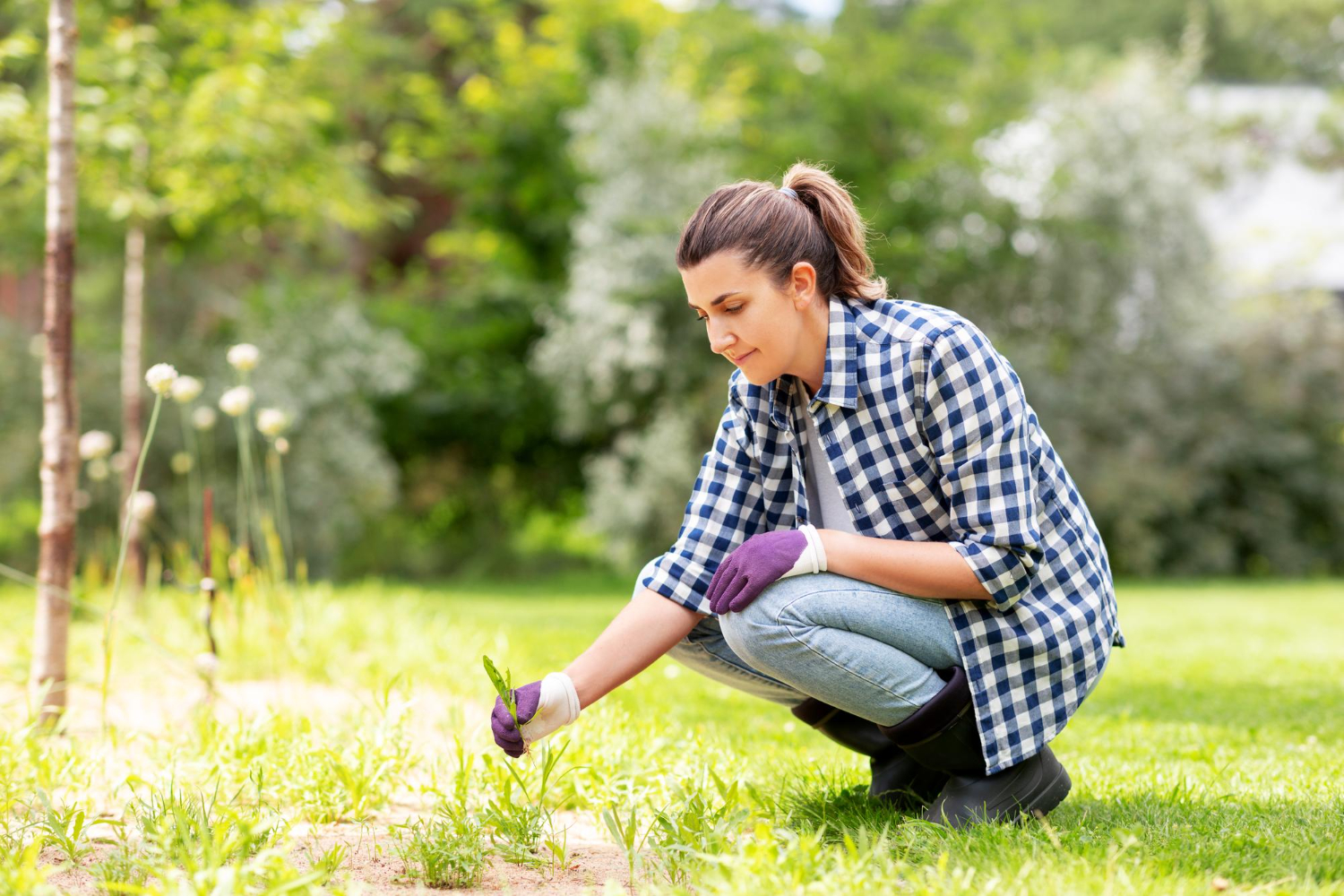
New sod is never laid over an existing lawn. Old grass and weeds keep the new roots from reaching the soil. They push through the seams or leave the surface uneven within a season.
Before installation we clear the area of existing turf and weeds. Where weeds are persistent, our team includes certified pesticide, herbicide and fertilizer applicators. Any treatment is handled by licensed people, not guesswork. Once the area is cleared, we move on to grading, drainage corrections and soil preparation. That order matters in Richmond. Our red clay packs down hard. A lawn that was mowed short and covered with sod shows every low spot after the first heavy rain. Clearing to bare, workable soil gives the new sod firm, even contact with the ground. That is what roots need in the first weeks. On yards that hold water after storms, this is also where we fix the cause, with regrading or a French drain, rather than covering it up.
Grading and Drainage Preparation
Clay soil can hold water for long periods, and new sod needs a stable, well-drained surface to root into. Correcting low spots, smoothing the grade, and addressing drainage issues before installation can prevent pooling and uneven growth later. This is where excavation and grading services come into play. A contractor who can shape the ground properly gives the sod a much better chance of thriving. In many cases, drainage solutions such as French drains or erosion control measures are recommended before the turf is laid.
Our own crews do the grading and the drainage work, so nothing waits on a second contractor and the ground is ready the day the sod arrives. Where a downspout feeds the low corner, we extend it underground; where a slope sends water across the lawn, a swale or a French drain takes it away before the turf goes down.
Soil Work and Leveling
Once the grade is set, the soil needs to be loosened and leveled so the sod can make firm contact with the ground. A level surface helps prevent air pockets, which can dry out roots and slow establishment. This step also gives the lawn a cleaner, more finished look once the sod is in place.
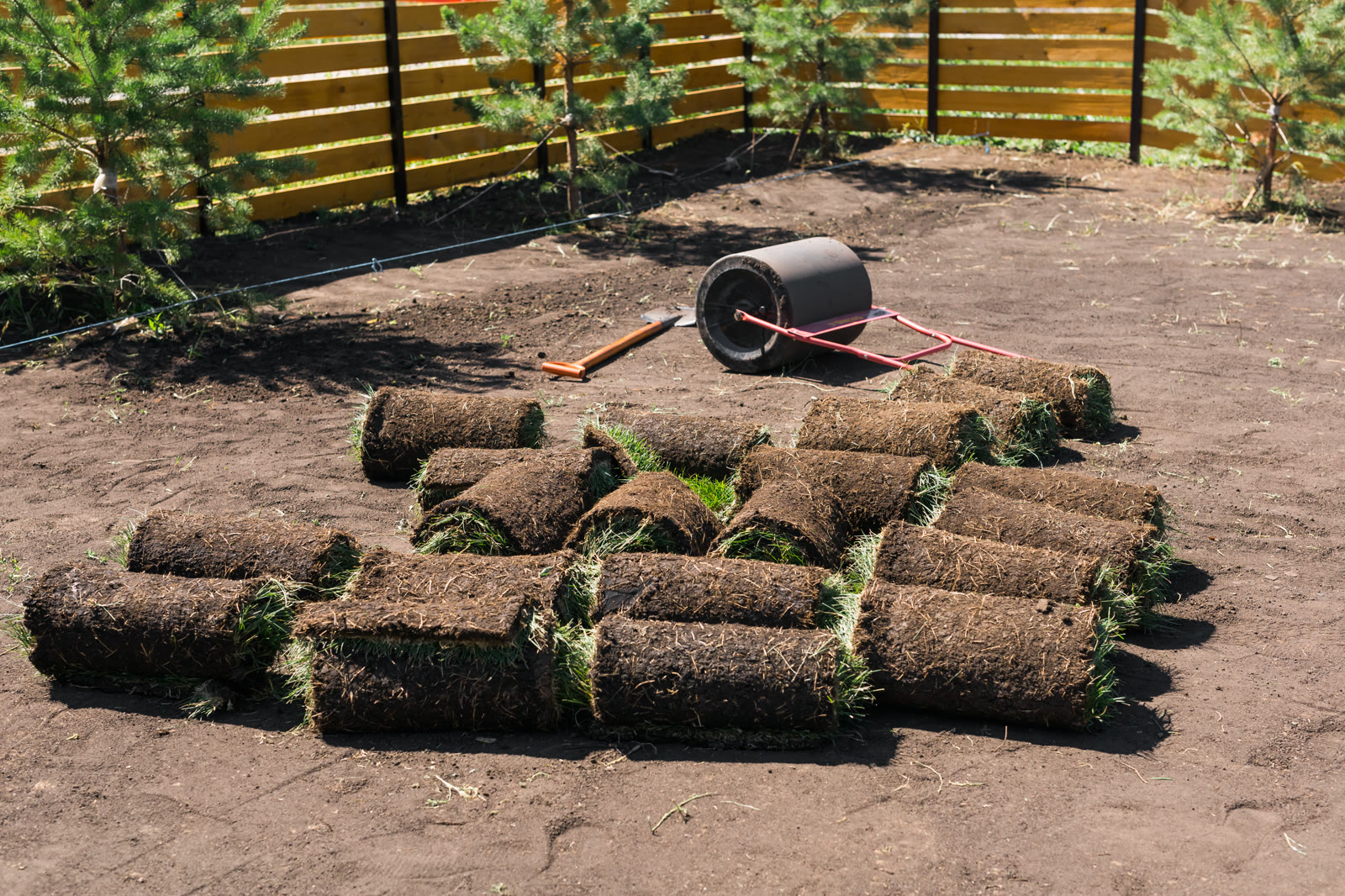
In Henrico and Hanover County the top layer is often compacted red clay that sheds water instead of taking it in. We loosen that layer, rake it smooth and roll it so the surface is firm but not hard, then check the final grade with a level before any sod is unloaded. If the yard needs it, a thin layer of screened topsoil goes on top to give the roots something to grow into. The goal is a surface the sod lies flat on from the first day, with no high spots that scalp under the mower and no low spots that stay wet.
Delivery and Installation
Fresh-cut sod should be installed as soon as possible after harvest to help maintain its quality and moisture. Altizer recommends installing sod as quickly as possible, and most projects are cut early in the morning and installed the same day. Once the sod arrives at the property, proper handling and timely installation are important for successful establishment. During installation, crews lay the pieces in a staggered pattern and press the seams closely together to create a smooth, continuous lawn. Proper placement also helps reduce visible gaps and encourages the turf to knit together as it grows.
Establishment and Aftercare
The first few weeks after installation are critical for new sod. Consistent watering helps the roots develop and establish contact with the soil below. As the lawn becomes established, proper mowing, watering, and routine maintenance can help it remain healthy through Richmond’s humid summers and seasonal temperature changes. Following an appropriate watering and mowing routine during the early stages can give the new lawn a stronger foundation for long-term growth.

The first few weeks after installation decide how well your sod takes. Virginia Cooperative Extension’s rule for our summers is simple: "In hot weather (above 80 F) water the sod daily" until the sod is well rooted (publication 418-040).
- Water right away. New sod is watered thoroughly soon after installation so moisture reaches the soil below.
- Keep it consistently moist. The sod and the soil beneath it should not dry out. Watch the edges and seams, which dry first.
- Watch for pooling. If water stands on the surface, cut back. In Richmond’s clay, too much water harms new sod as surely as too little.
- Limit foot traffic. Keep people and pets off the new sod while the roots knit into the soil.
- Check rooting at seven days. The extension guide says to "check the progress of sod rooting by gently tugging on a corner of the sod at seven days after installation." If it resists, the roots are taking hold.
- Mow once it is rooted, on a high setting, and then shift to deeper, less frequent watering to encourage deeper roots.
If you plan to add an in-ground irrigation system, install it before the sod. Trenching through new turf disturbs the roots and the grade we just prepared. After the sod has taken, our lawn maintenance and aeration services keep the turf healthy. New Lawn Care in Richmond VA: Sod and Seed Success Tips covers the first year.
Sod for Slopes, Erosion and Problem Areas
Sod is one of the best ways to hold bare or sloped ground. It covers the soil at once, so rain is far less likely to carry topsoil away before grass takes hold. On steep ground in Henrico and Hanover County, preparation matters even more. We may recommend:
- Regrading to slow runoff and direct water where it should go
- Drainage such as a French drain where water collects or flows across the lawn
- Erosion control measures to hold the slope while the sod roots
- Storm water improvements when runoff from roofs, driveways or a neighboring property is part of the problem
One crew handles the grading, the drainage and the sod. So we fix the cause of a washed-out or soggy yard instead of covering it up. For a warm-season lawn on a sunny slope, zoysia and bermuda are the usual choices. NC State’s turf guide explains how zoysia spreads and holds ground once it is established.
What Moves the Price of Sod Installation in Richmond
Every yard is different, so we quote each project after seeing the property. The main things that shape the price of a sod installation are:
- Lawn size: the total square footage to be covered.
- Site preparation: removing existing grass, weeds or debris before installation.
- Grading needs: correcting low spots, uneven ground or poor slope. See Excavation Services Richmond VA: What Homeowners Should Know.
- Drainage work: adding drainage where water pools.
- Access: tight gates, limited equipment access or steep terrain add labor.
- Turf selection: the variety that suits your sun, shade and use.
Our estimates are free. We explain what each part of the job involves, so you know what you are paying for. We also tell you when a smaller job, such as aeration and overseeding, would serve the yard better than new sod. In Richmond the biggest swing is usually the ground work. A Henrico yard with a low corner that floods needs grading and a drain first, and that work is priced on its own line so you can see it.
Doing It Yourself or Hiring a Crew
Most installation problems start before the first roll goes down, and those are the ones a homeowner cannot easily undo. These are the mistakes that ruin new sod:
- Laying sod over old grass or compacted clay and expecting the roots to sort it out
- Skipping grading, which leaves dips that hold water
- Skipping the roller, which leaves air pockets under the turf
- Letting pallets sit in the sun for a day or more before the sod is laid
- Gaps between pieces that dry out at the edges
- Under-watering or over-watering in the first few weeks, especially in hot weather
- Mowing too early or cutting too short once growth starts
- Ignoring a drainage problem and then blaming the sod when it dies
A professional crew handles the grading, drainage corrections, soil work and installation as one job. Most of our sod is cut early in the morning and laid the same day. We hold a Va. DPOR Contractors license and have six years of grading, drainage and sod work across Richmond, Henrico, Hanover County and Mechanicsville. How to Water a New Lawn in Richmond VA covers the watering schedule.
Benefits of Professional Sod Installation
Hiring a local professional for sod installation offers several advantages for Richmond homeowners.
- Quick transformation: Sod provides an established lawn much faster than waiting for grass seed to germinate and fill in.
- Regional expertise: Experienced Richmond-area professionals understand local soil conditions, humidity, and seasonal weather patterns when planning a sod installation.
- Proper site preparation: Professional installers can address grading, drainage, soil conditions, and surface leveling before laying the turf, helping create better conditions for root development.
- Consistent installation: Properly positioned and fitted sod helps create a smooth, uniform lawn while minimizing gaps between sections.
- Efficient installation: Professional crews can handle site preparation, delivery coordination, installation, and initial guidance, making the process easier for homeowners.
- Long-term lawn health: Proper installation gives new sod a strong foundation for root development and can help the lawn withstand regular foot traffic and seasonal weather changes.
Professional installation can also help protect your landscaping investment. A lawn is a living system, and the quality of site preparation and installation can affect how well it performs over time. When the soil is prepared correctly and the appropriate turf is installed, the lawn has a better opportunity to establish evenly, maintain healthy growth, and provide a durable green surface.
Finding the Right Sod Installer in Richmond, VA
Choosing the right sod installer can make a significant difference in how well a new lawn establishes. Richmond homeowners should look for a professional who understands local soil conditions, drainage, grading, sunlight, and seasonal weather. An experienced installer should also be able to recommend a suitable turf variety based on the property’s specific conditions.
Before choosing a contractor, consider their experience with residential landscaping, approach to site preparation, installation process, and ability to address drainage or grading concerns. Proper preparation is especially important when installing sod over Richmond’s clay soil because poor drainage or uneven surfaces can affect how the turf establishes.
A complete landscaping project often involves more than simply laying turf. Altizer Lawn & Landscape provides residential lawn care, hardscaping, drainage solutions, gravel driveways, and excavation and grading services for homeowners in Richmond, Mechanicsville, Hanover, Henrico, and Richmond City. Addressing grading and drainage before sod installation can help create better conditions for healthy root development and long-term lawn performance.
Altizer Lawn & Landscape is licensed and insured, family owned, and provides free estimates with owner-led service. With professional experience in local landscaping and site preparation, the team can help homeowners create a lawn that looks great and has the proper foundation for long-term growth.
Before you hire anyone, a few checks take ten minutes and save a season:
- Look the company up on Virginia DPOR’s license lookup and confirm the contractor license is current.
- Ask for proof of insurance rather than a verbal yes.
- Ask whether the work is done by the company’s own crew or subcontracted out.
- Ask for references from projects in your part of the metro area.
- Get the estimate in writing, including what is excluded.
Questions to Ask Before You Book a Sod Installer
Sod is the last step of the job, so a quote should show what happens before the turf arrives. Before you sign, ask these questions:
- Scope: Does the price cover clearing existing vegetation, grading, soil work, installation and cleanup, or only laying the sod?
- Square footage: Was the lawn measured on site, with sun, slope and drainage checked?
- Turf variety: Which type suits full sun, and which suits the shaded side yard? One variety may not fit every area.
- Drainage: If the yard holds water after storms, how will the installer fix that before the turf goes down?
- Aftercare: What watering, mowing and fertilizing schedule should you follow?
Costs depend on lawn size, ground condition, soil prep and any grading or drainage work, so a written scope of work makes estimates easier to compare.
Conclusion
Sod installation offers Richmond homeowners a fast way to achieve a healthy, attractive lawn. Proper soil preparation, grading, drainage, and professional installation are essential for ensuring long-lasting, high-quality results that enhance curb appeal and lawn health. Altizer Lawn & Landscape provides expert sod installation and a full range of landscaping services throughout the Richmond area. Contact the team today for a free, no-obligation estimate and start transforming your outdoor space.
Frequently Asked Questions
How long does it take for new sod to establish in Richmond?
New sod can begin rooting into the soil within the first few weeks, but the exact establishment time depends on weather, watering, soil preparation, and the type of turf installed. Keeping the new lawn consistently moist during the initial period is important for healthy root development. Once established, properly maintained sod can better handle Richmond's seasonal weather conditions.
Can I install sod myself instead of hiring a professional?
Yes, homeowners can install sod themselves if they are prepared to handle site preparation, grading, soil leveling, delivery, and installation. However, professional installation can help ensure the ground is properly prepared and the turf is installed correctly. This can be particularly helpful for properties with drainage, grading, or challenging soil conditions.
Do Richmond sod installation companies offer free estimates?
Many landscaping companies offer estimates for sod installation and related services. An estimate can help homeowners understand the scope of work involved, including site preparation, grading, drainage, and turf installation. Altizer Landscape provides free estimates for residential landscaping services, allowing homeowners to discuss their property's specific needs.
Why is locally sourced sod a good option for a Richmond lawn?
Sod produced in or near Central Virginia can be a practical option because it is grown under regional conditions similar to those found in Richmond. However, successful lawn establishment also depends on choosing an appropriate turf variety, preparing the soil properly, providing adequate drainage, and following the correct watering and maintenance practices.
How long does sod last on a pallet?
Not long. Fresh-cut sod comes with only a thin layer of soil, which is not enough to keep it alive for more than a few days, and it does not tolerate sitting on a pallet for long (Mississippi State University Extension). Richmond’s summer heat shortens that window further. That is why we have most of our sod cut early in the morning and laid the same day. Have the site graded and ready before the pallet arrives. If sod has to wait a few hours, keep the pallet in the shade and lightly watered, and lay it as soon as you can.
Can sod be laid over existing grass?
No. Sod laid over existing grass or weeds cannot get its roots into the soil. The surface usually turns uneven within a season. Altizer Lawn & Landscape removes the old turf and weeds, then grades and prepares the soil. That way the new sod has firm contact with bare ground from the first day.
How long does a sod installation take?
Laying the sod itself moves quickly once the ground is ready. Preparation is where the time goes. A level yard with little to clear is done fast. Removing an old lawn, correcting uneven areas, preparing the soil or fixing drainage adds work before any sod goes down. Ask us to walk you through each stage in the estimate.
My yard stays soggy after rain. Should drainage be fixed before sod?
Yes. Sod laid over poorly drained clay often struggles. The roots sit in water and the surface stays soft. We correct the grade first. Where water collects, we add a French drain before the sod goes down. Then the new lawn has a stable, well-drained base in Richmond’s heavy clay soil.