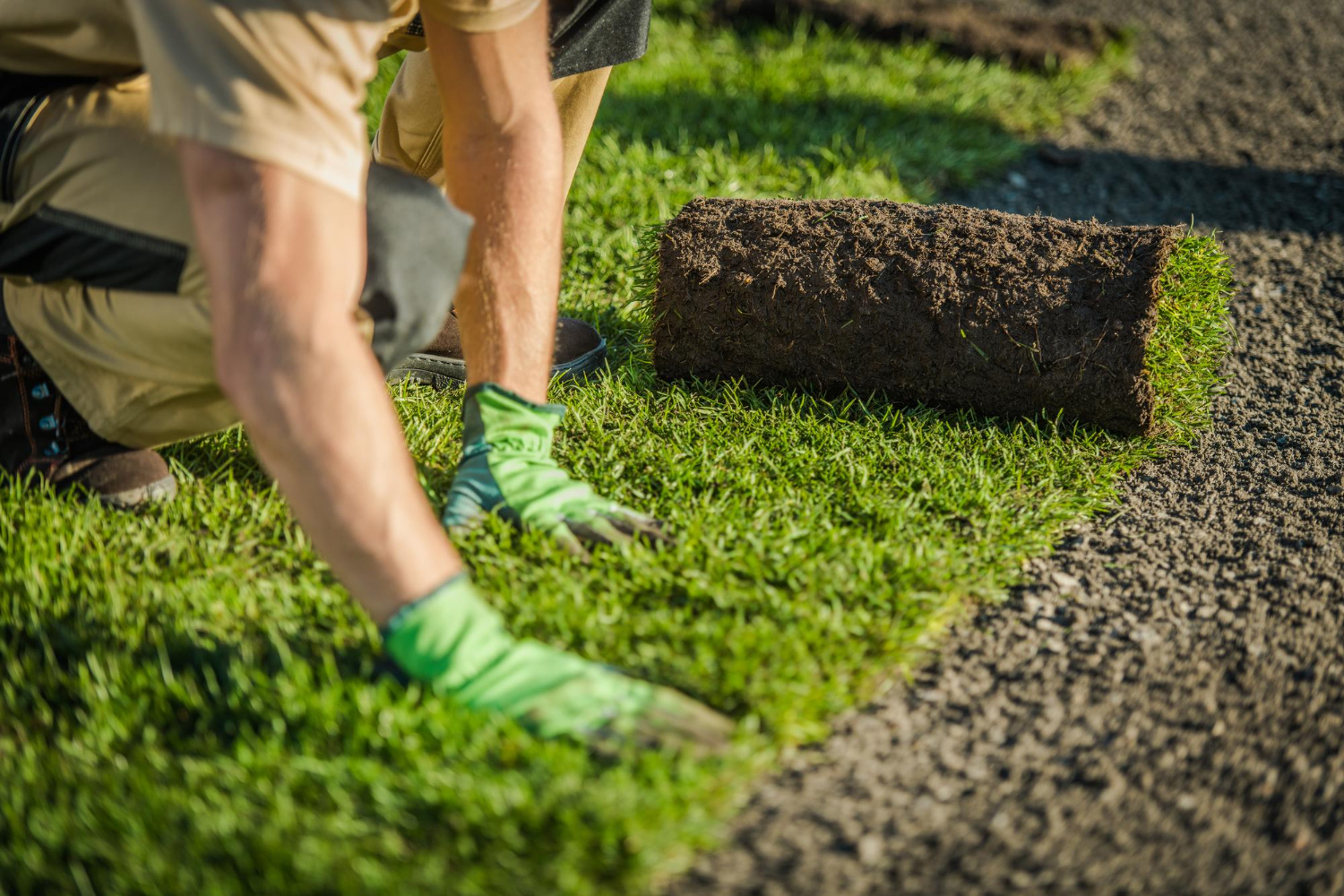

If your Richmond lawn has thin patches, bare spots, or just lacks the density you want, overseeding is one of the most effective ways to restore its vigor. Overseeding, the practice of spreading grass seed over an existing lawn, fills in gaps, improves color, and helps your turf resist weeds and disease. Richmond’s transition-zone climate presents both opportunities and challenges for lawn care, but with the right approach you can grow a thicker, more resilient lawn. This article covers everything you need to know about overseeding in Richmond VA, from the best times to seed to proper aftercare.
Why Overseed Your Richmond Lawn?
Lawns naturally thin over time due to foot traffic, heat stress, pests, and normal wear. Without intervention, bare spots invite weeds and erosion. Overseeding introduces newer, improved grass varieties that are better adapted to local conditions. In Richmond, cool-season grasses like tall fescue perform well when overseeded in the fall or spring. The result is a denser turf that crowds out weeds and looks greener longer. Regular overseeding can also help your lawn recover from summer stress without needing a complete renovation.
Best Time for Overseeding in Richmond VA
Timing is critical for overseeding success. In Richmond’s climate, there are two recommended windows: fall and spring. Both have advantages, but fall is widely considered the optimal season.
Fall Overseeding (September – October)
Fall is the prime time for overseeding in Richmond. Soil temperatures are still warm enough for seed germination, while cooler air temperatures reduce stress on emerging grass. Fall seeding also faces less weed competition than spring. According to local landscaping professionals, the optimal window for aeration and overseeding in Richmond is September through October. Grass seed germinates in 7 to 14 days, and full establishment takes 6 to 8 weeks, giving the new turf a head start before winter dormancy.
Spring Overseeding (March – April)
Spring is an acceptable alternative for overseeding, though it comes with more challenges. March and April provide warming soil and increasing daylight, but weeds are also more active. Unpredictable spring weather, late frosts or heavy rain, can disrupt germination. Still, if you missed the fall window, spring overseeding can improve your lawn before summer heat arrives. Many Richmond professionals offer both fall and spring services to accommodate homeowners.

Choosing the Right Grass Seed for Richmond
Selecting the right seed is essential for long-term success. Richmond lies in a transition zone where cool-season grasses like tall fescue perform best. Tall fescue is drought-tolerant, shade-adapted, and handles the region’s temperature swings. Many local lawn care companies use certified tall fescue blends. For areas with more shade, a shade-tolerant mix is recommended. Some professionals also offer fescue/bluegrass blends that combine the durability of fescue with the self-repairing ability of bluegrass. When choosing seed, look for high-quality, certified varieties that match your lawn’s sun and soil conditions.
The Aeration and Overseeding Process
Overseeding is most effective when paired with core aeration. Aeration removes small plugs of soil, reducing compaction and creating channels for seed, water, and nutrients to reach the root zone. In Richmond, professional aeration typically reaches a depth of 2 to 3 inches using commercial-grade equipment. The process is simple: the lawn is aerated first, then overseeded evenly over the surface. Many local providers leave a bag of extra seed at the property and follow up with care instructions by email. Some companies offer discounts for early booking, for example, a 20% discount on fall aeration and overseeding if you enroll in a new lawn care program and schedule before October 15.
Step-by-Step Overseeding Guide
Whether you do it yourself or hire a professional, the steps are similar. First, mow your lawn slightly shorter than usual and remove the clippings. Next, aerate the entire lawn to relieve compaction. Then apply the seed using a spreader, walking in two directions for even coverage. Follow with a thin layer of compost or starter fertilizer if needed, then water thoroughly. Avoid heavy foot traffic on the seeded area until the grass is established.
Aftercare: Watering and Establishment
Proper watering is perhaps the most important factor after overseeding. For the first two to three weeks, water two to three times daily for about five to ten minutes per zone. This keeps the top inch of soil consistently moist without creating runoff. After germination, gradually reduce watering frequency and increase duration to encourage deep root growth. Germination typically begins within 7 to 14 days, but full establishment takes 6 to 8 weeks. During that time, avoid mowing until the new grass reaches about 3 to 4 inches tall. Once established, return to your regular lawn care schedule.

Cost of Overseeding in Richmond VA
The cost of overseeding a lawn in Richmond can vary widely depending on lawn size, seed quality, and whether aeration is included. Based on local provider data, lawn overseeding typically ranges between $100 and $400, with an average cost around $250. Prices may be higher for larger properties or if extra services like dethatching or soil amendments are needed. Many landscaping companies offer free estimates, so it pays to get multiple quotes. Some also offer seasonal promotions, such as a 20% discount for new customers who sign up for a full lawn care program.
Fall vs. Spring Overseeding: Which Is Better?
Both seasons can work, but fall overseeding generally produces better results in Richmond. The cooler temperatures and reduced weed pressure give the new grass a stronger start. Spring overseeding is more unpredictable due to weed competition and variable weather, but it can still fill in thin areas before the summer. If you can only do one, fall is the preferred choice. However, if your lawn needs help after a harsh winter, a spring overseed can provide a quick recovery.

Local Richmond Lawn Care Professionals
Several Richmond-area companies specialize in aeration and overseeding. They use high-quality seed blends and commercial aerators to ensure good seed-to-soil contact. Many offer shade mixes for yards with tree cover. When hiring a professional, ask about the seed variety they use, whether aeration is included, and what aftercare instructions they provide. Some companies leave a bag of seed on-site and send detailed care emails. Always confirm that the company is licensed and insured for your peace of mind.
Frequently Asked Questions
Can I overseed without aerating first?
While overseeding without aeration can still produce some results, aeration greatly improves seed-to-soil contact, which increases germination rates. Core aeration also relieves soil compaction and allows water and nutrients to reach the roots. For the best outcome, most lawn care experts recommend combining aeration with overseeding.
How long does it take for new grass to grow after overseeding?
Germination typically begins within 7 to 14 days after seeding. Full establishment, when the new grass is mature enough to handle regular traffic and mowing, takes about 6 to 8 weeks. Consistent watering and avoiding heavy use are critical during this period.
What type of grass seed is best for Richmond lawns?
Tall fescue is the most commonly recommended grass for Richmond due to its drought tolerance and ability to thrive in the transition zone. Some professionals also use a fescue/bluegrass blend for improved self-repair. For shady areas, a specialized shade mix is available. Always choose certified, high-quality seed for the best results.
Is it too late to overseed in Virginia if I missed the fall window?
Spring overseeding in March or April is a viable option if you missed the fall window. While fall is preferred, spring seeding can still thicken your lawn before summer. Be aware of increased weed competition and the need for more frequent watering as temperatures rise. Check with a local lawn care professional to confirm current conditions.
How much does it cost to overseed a lawn in Richmond?
Based on local provider data, overseeding costs in Richmond range from $100 to $400, with an average around $250. The final price depends on lawn size, seed type, and whether aeration is included. Many companies offer free estimates, and some have seasonal promotions for new customers.
Overseeding your Richmond lawn is a straightforward investment that pays off with thicker, greener turf. By choosing the right timing, seed, and aftercare, you can enjoy a dense lawn that stands up to heat, traffic, and weeds. Whether you tackle the job yourself or hire a local professional, the key is to start with a plan and stick to the watering schedule. With consistent care, your Richmond lawn can become the envy of the neighborhood.