Richmond lawns need attention in every season: spring cleanup and pre-emergent weed control, summer mowing and watering discipline, fall aeration and overseeding, and a clean final mow before winter. Follow that rhythm and you move from a thin, weedy stand to a thick, rooted lawn that handles heat, drought, and disease on its own. The sections below walk through exactly what to do each season, including timing, soil drainage considerations, and when a licensed professional is worth calling. Tips apply to homeowners throughout Henrico, Short Pump, Mechanicsville, Tuckahoe, Glen Allen, Chesterfield, and Hanover counties.
Spring Lawn Care in Richmond
Spring is the time to wake up your lawn after winter dormancy. As temperatures rise, grass begins to grow actively, and weeds start to emerge. A focused approach in early spring sets the foundation for the entire growing season.
Cleanup and Assessment
Start with a thorough cleanup. Remove any debris, fallen branches, and leaves that accumulated over winter. This allows sunlight and air to reach the grass. Inspect your lawn for bare patches, signs of disease, or areas where water pools. If you notice thin spots or compacted soil, plan for aeration and overseeding later in the season. Many local lawn care providers, including those featured in the Richmond area, include cleanup as part of their annual programs. Professional services often offer mowing, trimming, and edging to give your lawn a clean start.
Fertilization and Weed Control
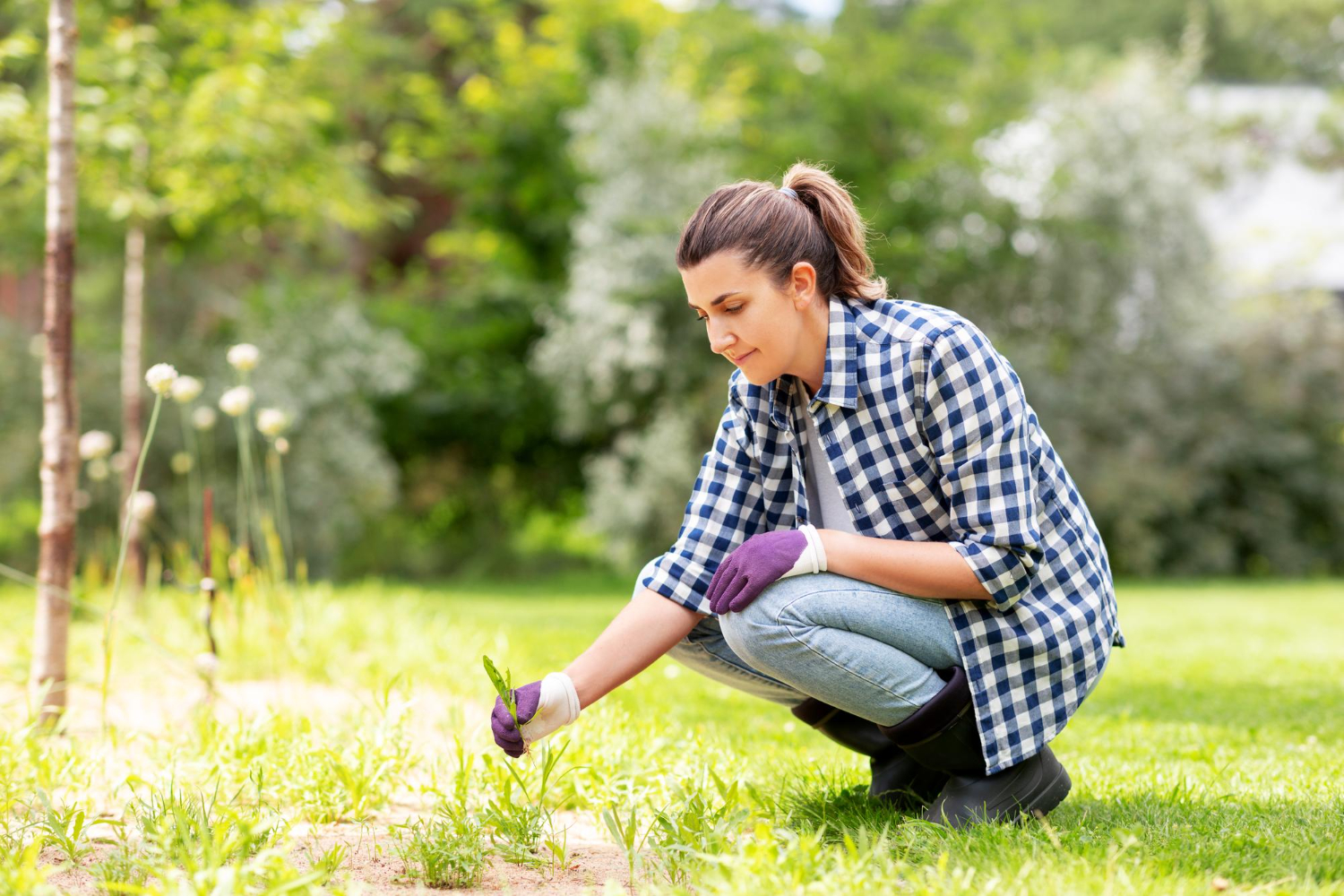
Spring fertilization provides the nutrients grass needs for vigorous growth. Look for a balanced lawn fertilizer, or consider a professional program that applies treatments at the right time. Companies like NaturaLawn of America offer organic-based lawn care services in Richmond, supporting communities such as Henrico, Short Pump, and Mechanicsville with natural approaches. Green Earth Lawn Service provides annual programs with six regular applications throughout the year to make your lawn greener, thicker, and healthier. Their premium program also includes fungicide applications to combat common lawn diseases. For weed control, early spring is the ideal window to apply pre-emergent herbicides that prevent crabgrass and other annual weeds from germinating. Post-emergent treatments can spot-treat existing broadleaf weeds.
Aeration and Seeding
Core aeration relieves soil compaction and allows water, air, and nutrients to reach grass roots. In Richmond, spring aeration works well if done early enough before the heat arrives, but many experts prefer fall aeration for cool-season grasses. If your lawn sees heavy foot traffic or clay soil, aeration is especially beneficial. After aeration, overseed with a quality grass seed blend suited to the region. Local lawn care services offer aeration and seeding as part of their packages, and some companies like MowHawks make it easy to schedule these services in select neighborhoods across Chesterfield, Henrico, and Hanover counties.
Summer Lawn Maintenance
Summer in Richmond brings heat and occasional drought. Your lawn needs careful management to stay healthy without wasting water or inviting pests.
Mowing Best Practices
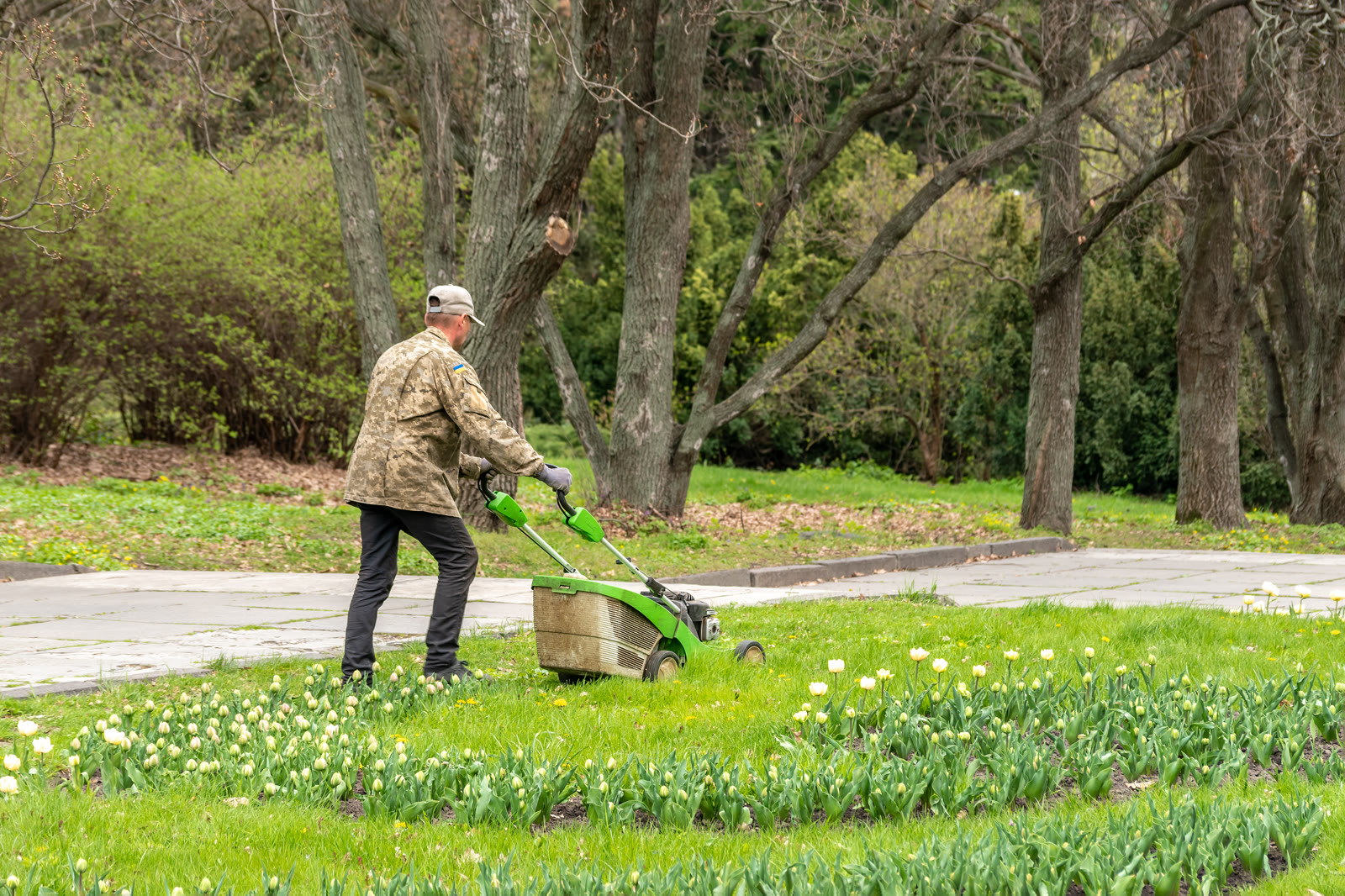
Raise your mower deck during summer. Taller grass shades the soil, reduces water evaporation, and helps crowd out weeds. Never remove more than one-third of the grass blade in a single mowing. Keep mower blades sharp to avoid tearing the grass, which can lead to disease. Many Richmond lawn care professionals include mowing, trimming, and edging in their regular service. Services starting at $19 are available through platforms like LawnStarter, which allows you to schedule mowing quickly. If you mow yourself, mow in the evening or early morning to minimize stress on the grass.
Watering and Irrigation
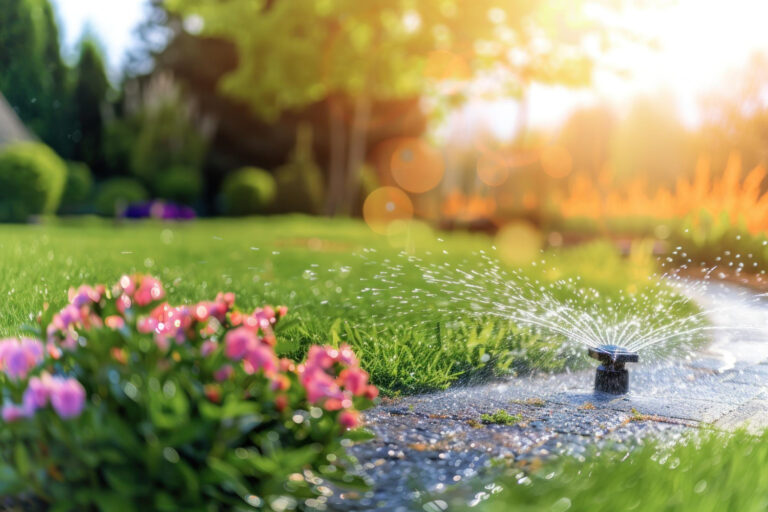
Water deeply and infrequently to encourage deep root growth. Aim for about one inch of water per week, including rainfall. Water early in the morning to reduce evaporation and prevent fungal diseases. In periods of drought, your lawn may go dormant and turn brown, which is a natural survival mechanism. Avoid overwatering, which can lead to shallow roots and increased disease pressure. If you have an irrigation system, check it regularly for leaks and adjust sprinkler heads to avoid watering hardscapes.
Pest and Disease Management
Summer is prime time for lawn pests like grubs and armyworms. Monitor your lawn for irregular brown patches that peel back easily, a sign of grub activity. NaturaLawn of America offers pest control services in Richmond, VA, using organic methods. Greener Creations provides soil-first programs that include grub and armyworm control, with over 37 years of experience and more than 244 five-star reviews. Fungal diseases such as brown patch and dollar spot can also appear during humid summer months. Fungicide applications, like those included in Green Earth Lawn Service’s premium program, can help keep diseases under control.
Fall Lawn Preparation
Fall is the most important season for cool-season lawns in Richmond. The combination of cooler temperatures and more frequent rainfall creates ideal conditions for repair and strengthening.
Overseeding and Fertilization
Late summer to early fall is the best time to overseed thin lawns. The soil is still warm enough for seed germination, but the air is cool enough to reduce heat stress. Aeration before overseeding improves seed-to-soil contact and increases success rates. Apply a high-phosphorus starter fertilizer to encourage strong root development. Many Richmond lawn care companies offer aeration and seeding as part of their fall programs. If you prefer a hands-off approach, professional annual lawn programs handle all the timing and applications for you.
Leaf Management and Dethatching
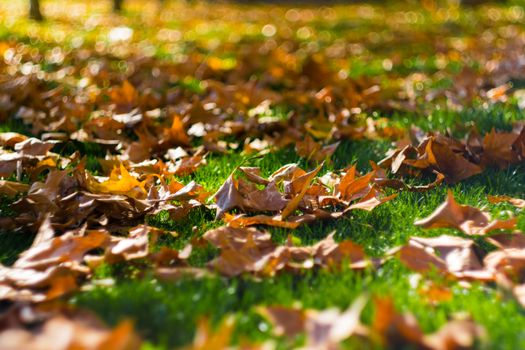
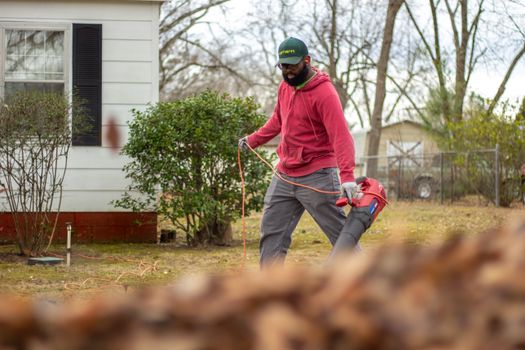
Falling leaves can smother grass if left in thick layers. Rake or mulch leaves regularly to allow sunlight and air to reach the lawn. Mulching leaves with a mower returns organic matter to the soil. Dethatching, which removes the layer of dead grass and debris between the soil and living grass, can be done in early fall if the thatch layer is more than half an inch thick. Local lawn services include dethatching as an option, often combined with aeration and overseeding for a complete renovation.
Winter Lawn Care Tips for Richmond Homeowners
Winter is a time of rest for your lawn, but a few steps can protect it and set it up for a strong spring.
Final Mowing and Cleanup
Continue mowing until the grass stops growing. In Richmond, this may extend into November. For the final mow, lower the blade slightly to prevent tall grass from matting under snow, but do not scalp the lawn. Remove any remaining leaves, sticks, and debris. A clean lawn reduces the chance of snow mold and other winter diseases.
Planning for Next Year
Use the winter months to evaluate your lawn care program. If you have not already, consider signing up for a professional annual lawn program. Many Richmond providers, such as NaturaLawn of America and Green Earth Lawn Service, offer plans that cover the entire season with multiple applications. Altizer Landscape also provides comprehensive lawn care and maintenance, including mowing, fertilization, aeration, overseeding, and weed control, for homeowners in Richmond, Mechanicsville, Hanover, and Henrico. Scheduling a free estimate during winter ensures you are ready when spring arrives.
When to Hire a Professional Lawn Care Service in Richmond
Some homeowners enjoy yard work as a hobby, while others prefer to leave it to the experts. If your schedule is tight, your lawn has persistent problems, or you simply want the best results, hiring a professional lawn care service can save time and deliver consistent quality. Richmond has many options, from organic-focused providers like NaturaLawn of America and Greener Creations to comprehensive service companies like Green Earth Lawn Service and MowHawks. Platforms like LawnStarter allow you to compare prices and schedule quickly. Look for companies with proven track records, verifiable reviews, and clear service offerings. Many offer free estimates and will create a customized plan based on your lawn’s specific needs.
Frequently Asked Questions
What is the best time to aerate my lawn in Richmond?
For cool-season grasses common in Richmond, early fall is the best time to aerate. The soil is still warm, and the cooler air reduces stress on the grass. Spring aeration is also possible but should be done early before the summer heat arrives. Many local lawn care providers include aeration as part of their seasonal programs.
How often should I mow my lawn in summer?
During peak growing season, you may need to mow once a week. Follow the one-third rule, never cutting more than one-third of the grass blade at a time. In hot, dry periods, grass growth slows, so you may mow less frequently. Keeping the grass taller during summer helps protect the soil and roots.
Are organic lawn care services available in Richmond?
Yes. NaturaLawn of America offers organic-based lawn care services in Richmond, VA, serving areas such as Henrico, Short Pump, Mechanicsville, Tuckahoe, and Glen Allen. Greener Creations also provides eco-friendly, soil-first programs that include grub and armyworm control. These services use natural products and methods to nourish your lawn.
How much does professional lawn care cost in Richmond?
Lawn care service prices vary based on the size of your lawn, the services included, and the provider. Some basic mowing services start at $19. Many companies offer free estimates and annual programs with bundled pricing. It is best to request quotes from several providers to compare costs and services for your specific property.
What should I do about weeds in my Richmond lawn?
A combination of proper cultural practices and targeted treatments works best. Mow at the correct height, water deeply, and fertilize appropriately to encourage thick grass that naturally suppresses weeds. Pre-emergent herbicides applied in early spring prevent annual weeds. Post-emergent spot treatments remove existing broadleaf weeds. Many Richmond lawn care companies offer weed control as part of their regular programs.
Taking care of your lawn throughout the seasons yields a yard that is not only beautiful but also more resistant to pests, diseases, and environmental stress. Whether you choose to do the work yourself or enlist the help of a licensed Richmond lawn care provider, following a seasonal schedule keeps your grass healthy and your property looking its best all year long.
Late-Season Mowing and Dethatching Pointers
Two small details help set up the next season:
- Final mowing: Keep mowing until the grass stops growing, which in Richmond can run into November. For the last mow, lower the blade slightly so tall grass doesn’t mat under snow, but don’t scalp the lawn.
- Dethatching: If the layer of dead grass between the soil and living turf is more than half an inch thick, early fall is a good time to dethatch, often combined with aeration and overseeding.
- Grub check: Irregular brown patches that peel back easily can be a sign of grub activity.
Soil Drainage and Grading: The Foundation Under Your Seasonal Work
Seasonal lawn care routines produce weak results when the ground underneath them is working against you. Two problems show up repeatedly in Richmond yards: poor grading that lets water pool near the house or in low spots, and compacted clay soil that sheds water instead of absorbing it.
- Standing water after rain drowns grass roots, invites fungal disease, and makes mowing difficult for days at a time. If the same spots stay wet season after season, grading or a French drain installation is usually the fix, not more fertilizer.
- Erosion on slopes washes away seed and topsoil before either has a chance to establish. Grading, erosion control, or sod installation on problem slopes stops the cycle.
- Compacted clay is common across Henrico and Hanover counties. Annual core aeration helps, but severely compacted or misdirected drainage areas may need excavation and regrading before overseeding pays off.
Altizer Lawn and Landscape handles residential grading, French drain installation, erosion control, and sod installation alongside routine lawn maintenance, so drainage problems and turf problems can be addressed together rather than separately.
Sod Installation as an Alternative to Overseeding
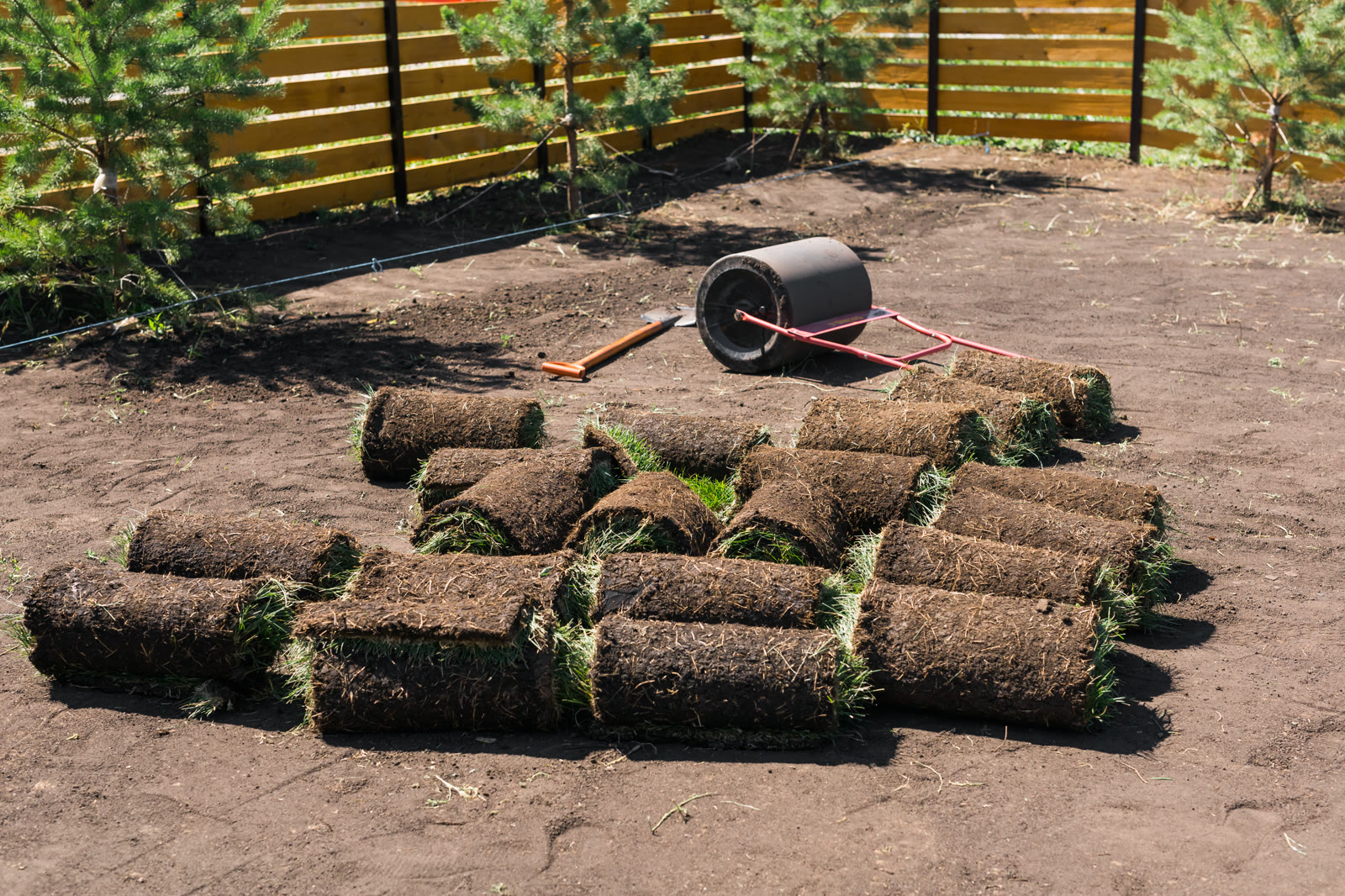
Overseeding works well for thin lawns with a solid base, but some Richmond yards are past the point where seed alone closes the gap. Bare slopes, heavily shaded areas stripped by foot traffic, or lawns damaged by grub activity or disease may recover faster and more completely with sod.
- When sod makes sense: large bare areas, steep slopes prone to erosion before seed establishes, or a yard that needs to be usable within weeks rather than a full season.
- Soil prep matters equally: sod laid over compacted or poorly graded soil fails at the seams. Grading and soil amendment before installation give the sod the contact it needs to root.
- Timing in Richmond: late summer through early fall is ideal for cool-season sod, matching the same window recommended for overseeding. Spring installation is possible but demands heavier irrigation through the summer that follows.
Altizer Lawn and Landscape offers sod installation and can evaluate whether sod or overseeding fits your specific lawn conditions before any work begins.
Working with Richmond's Clay Soil Year-Round
Much of the Richmond metro sits on heavy clay. That soil holds nutrients but compacts easily, drains slowly, and bakes hard in summer. Knowing how clay behaves in each season helps you time your work correctly.
- Spring: Avoid heavy equipment or foot traffic on saturated clay. Wait until it drains before aerating or top-dressing, or you compact it further.
- Summer: Clay holds moisture longer than sandy soils, so check actual soil moisture before watering. Overwatering clay invites fungal disease and pushes out oxygen that roots need.
- Fall: Core aeration in early fall breaks up summer compaction and creates channels for water and fertilizer. This is the single highest-return task on a clay lawn each year.
- Winter: Keep foot traffic off frozen clay. Repeated freeze-thaw cycles already stress the soil structure; compaction on top of that slows spring recovery.
If clay is causing persistent drainage problems rather than just slow absorption, excavation and regrading may be the more permanent answer.